
Circuit breakers serve as critical safety devices in your home electrical system, protecting against electrical overloads, short circuits and potential fires. When a circuit breaker fails it can compromise your home’s electrical safety and leave you vulnerable to dangerous electrical conditions. Learning how to tell if a circuit breaker is bad is essential knowledge for every homeowner as early detection can prevent electrical hazards and costly repairs.
Understanding Circuit Breaker Function
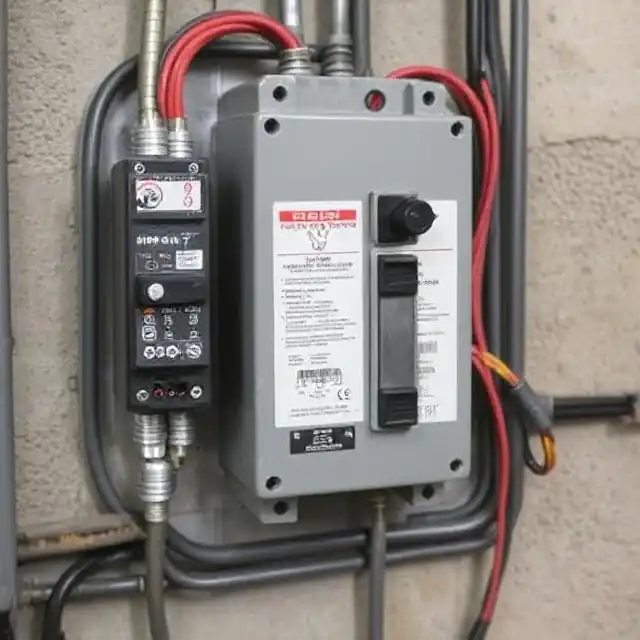
Circuit breakers are made to stop the flow of electricity on their own when they sense dangerous situations like overloads or short circuits. When needed these safety devices should trip to stop electrical fires and damage to equipment. When the problem is fixed, they should reset themselves. A circuit breaker that works properly can last for years but like all machines it can wear out or break down over time.
Modern circuit breakers have advanced systems that can find electrical problems and take the right action. When they work right, they should trip every time there is a fault and reset easily when the problem is fixed. Homeowners can tell when something isn’t working right if they know how a normal circuit breaker works.
Common Signs of a Bad Circuit Breaker
To find a broken circuit breaker, you need to know what signs to look for that show it is not working or has broken. These warning signs often appear slowly, so it’s important to check your electrical panel regularly to catch any problems early.
Frequent Tripping Without Cause
When a circuit breaker trips frequently, even when there does not appear to be an electrical overload or fault, it’s one of the most obvious indicators that it’s broken. Circuit breakers should trip when circuits are overloaded but if they repeatedly trip when the electrical load is normal it may indicate that the calibration is incorrect or that internal components are broken.
A circuit breaker most likely has internal damage that prevents it from functioning properly if it continues to trip even after being reset especially when no high draw appliances are operating. Since the breaker may malfunction during actual electrical issues, this issue needs to be resolved immediately.
Failure to Trip When It Should
On the other hand when a defective circuit breaker comes into contact with circumstances that ought to cause it to trip it might not. Your electrical system is susceptible to overloads and short circuits due to this hazardous condition, which could result in fires or damage to your equipment.
Professional knowledge and specialized tools are needed to test circuit breaker response. For appropriate testing and assessment, get in touch with a licensed electrician right away if you think a breaker is not tripping when it should.
Physical Signs of Damage
By visually examining your electrical panel, you can identify signs of a malfunctioning circuit breaker. Check each breaker for melted plastic, burn marks, or discoloration. These physical indicators indicate that the internal components of the breaker have been damaged by electrical arcing or overheating.
Your electrical panel’s burning smell is frequently a sign of major issues with the circuit breakers or other panel parts. This condition requires immediate professional treatment because it may be a fire hazard.
Bad Circuit Breaker Symptoms Detection Table
Understanding specific symptoms and their implications helps homeowners identify problematic circuit breakers before they fail completely. The following table outlines common symptoms and their significance:
| Symptom | What It Indicates | Urgency Level | Potential Consequences | Recommended Action |
| Frequent Tripping | Internal mechanism failure | High | Loss of electrical protection | Professional inspection within 24 hours |
| Won’t Reset/Stay On | Mechanical or internal damage | Critical | No power to the circuit, fire risk | Immediate professional service |
| Burning Smell | Overheating components | Critical | Fire hazard, property damage | Emergency electrical service |
| Visible Burn Marks | Electrical arcing damage | High | Panel damage, safety risk | Professional replacement needed |
| Warm/Hot to Touch | Internal resistance buildup | Medium High | Progressive failure, efficiency loss | Schedule a professional evaluation |
| Loose in Panel | Mounting or connection issues | Medium | Poor electrical connection | Professional tightening/replacement |
| Won’t Trip Under Load | Failed protective mechanism | Critical | No overcurrent protection | Immediate professional testing |
| Intermittent Operation | Worn internal contacts | Medium | Unreliable protection | Plan for replacement |
| Age Over 25 Years | Normal wear and obsolescence | Low Medium | Reduced reliability | Consider proactive replacement |
Advanced Diagnostic Techniques
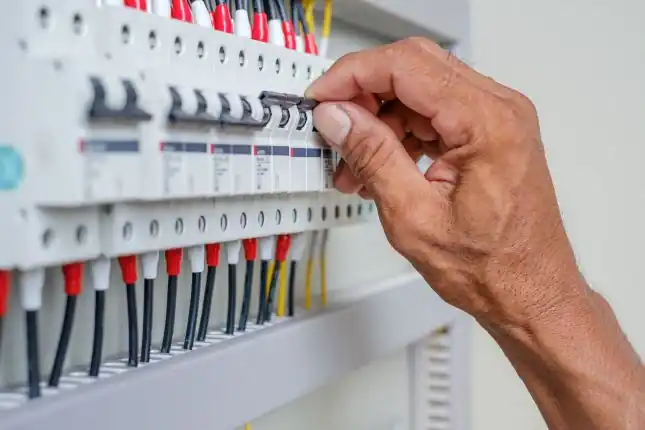
While visual inspection reveals obvious problems, some bad circuit breaker conditions require more sophisticated detection methods. Professional electricians use specialized testing equipment to evaluate circuit breaker performance and identify internal failures that are not immediately apparent.
Load testing involves applying controlled electrical loads to circuit breakers while monitoring their response. This testing reveals whether breakers trip at appropriate current levels and reset properly after fault conditions are removed. Only qualified professionals should perform load testing due to the electrical hazards involved.
Insulation resistance testing measures the integrity of internal insulation within circuit breakers. Degraded insulation can cause partial failures or create safety hazards that aren’t obvious during visual inspection. This testing requires specialized equipment and electrical expertise.
Environmental Factors Affecting Circuit Breakers
Environmental conditions significantly impact circuit breaker lifespan and reliability. High humidity, temperature extremes and corrosive atmospheres can accelerate component degradation and lead to premature failure.
Electrical panels located in damp basements, hot attics or areas with poor ventilation experience higher failure rates due to environmental stress. These conditions can cause internal corrosion, contact deterioration and insulation breakdown that compromise circuit breaker performance.
Regular inspection of panels in challenging environmental conditions helps identify problems before they become serious safety hazards. Consider panel relocation or environmental protection measures if your electrical panel is exposed to extreme conditions.
Age Related Circuit Breaker Deterioration
Circuit breakers have finite lifespans are typically ranging from 25 to 40 years depending on usage patterns and environmental conditions. As breakers age, internal components wear and calibration may drift, reducing their effectiveness and reliability.
Older circuit breakers may not meet current electrical codes or provide adequate protection for modern electrical loads. Homes with original electrical panels installed decades ago often benefit from complete panel upgrades that include new circuit breakers designed to current safety standards.
Signs of aging in circuit breakers include sluggish operation, inconsistent tripping characteristics, and physical deterioration of housing materials. Proactive replacement of aging breakers prevents failures and maintains electrical system reliability.
Safety Considerations During Inspection
Inspecting circuit breakers involves working around live electrical components that can cause serious injury or death. Always prioritize safety when examining your electrical panel and never attempt repairs or testing beyond visual inspection.
Turn off the main breaker before opening electrical panel covers and use appropriate personal protective equipment if you must work near live components. Never touch circuit breakers or panel components with wet hands or while standing on wet surfaces.
If you detect any signs of a bad circuit breaker during inspection, avoid using the affected circuit until professional evaluation and repair can be completed. Continuing to use circuits protected by faulty breakers creates serious safety risks. For safe and reliable diagnosis, contact Tri-L Electric for professional electrical services. Their licensed electricians are experienced in handling all types of circuit breaker issues and panel inspections.
Professional Testing and Evaluation
Professional electricians have the right tools, training and experience to find out what’s wrong with circuit breakers. They can do thorough tests that show internal problems that are not obvious when you look at them.
Testing trip characteristics measuring contact resistance and making sure that the installation and connection are correct are all part of a professional evaluation. This thorough check makes sure that circuit breakers will keep your electrical system safe.
When professional testing reveals circuit breaker problems, qualified electricians can recommend appropriate replacement options that meet current codes and provide optimal protection for your specific electrical needs.
Preventive Maintenance Strategies
Frequent maintenance guarantees dependable operation and prolongs the lifespan of circuit breakers. Simple preventive actions can spot emerging issues before they become significant risks to public safety.
Using the built in test buttons GFCI and AFCI circuit breakers are tested once a month to help guarantee correct operation. Document any breakers that do not respond correctly to testing for professional evaluation.
Annual electrical panel inspection by qualified professionals provides a comprehensive evaluation of all circuit breakers and related components. This proactive approach identifies aging or marginal breakers before they fail completely.
When to Replace Circuit Breakers
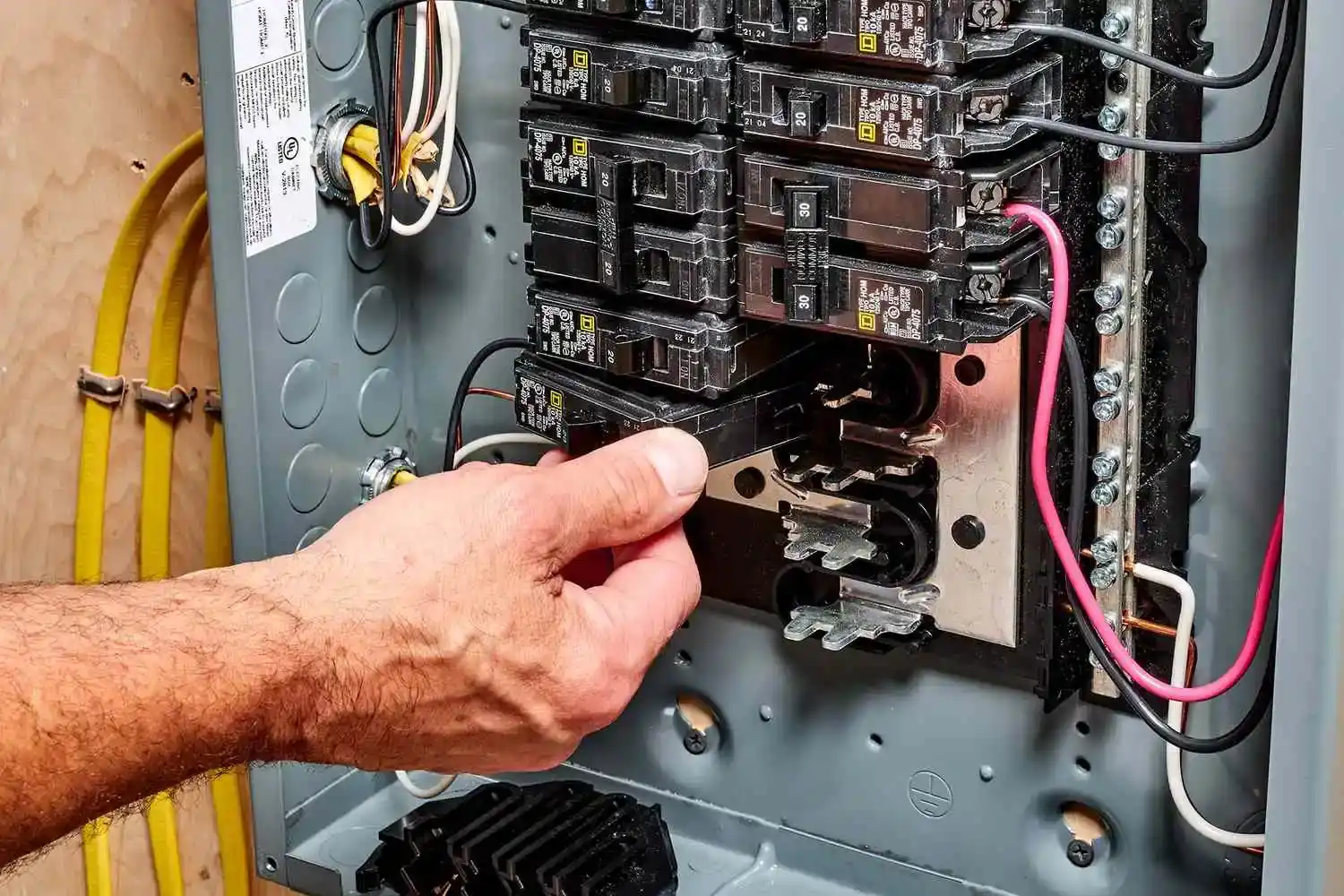 The age, condition and performance of your circuit breakers are key factors in deciding when they should be replaced. If breakers show signs of damage, inconsistent operation or pose safety risks, they should be replaced immediately.
To maintain the reliability of your electrical system and avoid unexpected failures, it’s recommended to replace breakers that are over 25 years old. This preventive step is especially important for critical circuits that power safety systems or essential equipment.
Modern circuit breakers offer improved safety features and performance compared to older models. In some cases, upgrading may also be necessary to comply with updated electrical codes. If your breakers are outdated, consider a complete electrical panel installation to ensure your system is safe and up to current standards.
Conclusion
Recognizing the signs of a bad circuit breaker is essential to maintaining a safe and reliable electrical system in your home. From frequent tripping to physical damage or failure to trip under load, these warning signs should never be ignored. Left unchecked faulty breakers can expose your home to serious risks including electrical fires, equipment damage and system failures. Regular inspection, preventive maintenance and timely replacement especially for breakers over 25 years old are key to avoiding costly hazards. For accurate diagnosis and safe repairs, trust a licensed electrician to evaluate your electrical panel and upgrade components when needed. Don’t wait for a failure to happen take proactive steps to ensure your home’s electrical safety today.