
Want to add lights to your patio? Need power in your workshop? Planning outdoor security cameras? Getting electricity outside safely requires the right approach. Many homeowners and business owners struggle with this question. Extension cords seem easy, but they aren’t safe for permanent use. Running wires incorrectly creates fire hazards and code violations. Let’s explore the safest, smartest ways to bring power outdoors.
Why Outdoor Power Matters
Having electricity outside transforms how you use your property. Homeowners enjoy outdoor entertaining with proper lighting and music. Gardens look beautiful with landscape lights. Security systems protect your property around the clock.
Businesses need outdoor power even more. Restaurants want comfortable patio dining areas. Shops need bright signs to attract customers. Warehouses require power for loading docks and security.
Whatever your needs, doing it right keeps everyone safe and prevents expensive problems.
Understanding Outdoor Electrical Challenges
Outdoor electricity faces dangers that don’t exist indoors. Rain and snow create shock hazards. Extreme temperatures stress wires and connections. Lawn equipment can damage exposed cables. Animals might chew through improper installations.
That’s why outdoor electrical work requires special materials and methods. Regular indoor wiring won’t survive outside. You need weatherproof components designed to handle nature’s challenges.
In Norman, where the weather varies from hot summers to cold winters with occasional ice storms, proper outdoor electrical installation is vital.
Method 1: Underground Conduit (The Gold Standard)
Burying electrical cables underground provides the safest, most professional solution. This method protects wires from weather, accidents, and damage.
Here’s the process. Electricians dig a trench from your power source to where you need electricity. They install protective pipes called conduit in the ground. Special outdoor-rated wires run through these pipes. Everything gets buried safely underground.
Burial depth matters significantly. Electrical codes specify exact requirements. Metal conduit typically goes 6 inches deep. PVC plastic conduit needs 18 inches of cover. Direct burial cable without conduit requires 24 inches depth.
Underground wiring offers major advantages. It lasts for decades with minimal maintenance. Nobody trips over cables. Lawnmowers can’t damage buried wires. Your property looks clean and professional.
The downside? Underground installation costs more and takes longer than other methods. You can’t easily change or expand the wiring later. However, for permanent outdoor power, it’s worth the investment.
Method 2: Overhead Wiring
Running wires through the air makes sense in certain situations. This approach works well when crossing driveways or when digging isn’t practical.
Overhead wiring must follow strict safety rules. Cables need proper height clearance – at least 10 feet above ground for pedestrian areas, higher over driveways. Special weather-resistant wire is required. The wire must attach securely to buildings and poles.
This method costs less than underground installation. Work completes faster with no digging required. You can easily add or change wiring later.
However, overhead wires are visible and may not look as clean. Falling tree branches during storms can damage them. Ice buildup in winter adds weight and stress.
Method 3: Surface-Mounted Conduit
For shorter distances or specific situations, mounting conduit on exterior walls works perfectly. Metal or PVC pipes attach to your building’s outside surface. Wires run safely inside these protective tubes.
This approach shines when you need power on the other side of a wall. It’s ideal for businesses adding outdoor outlets without major construction. You can follow the building’s exterior to wherever power is needed.
Surface conduit must be weatherproof and properly sealed at all connections. All junction boxes need outdoor ratings. When installed neatly, surface conduit looks professional and industrial.
Extension Cords: Temporary Only
Extension cords seem like the easiest answer. Just plug in and go, right? While they work for temporary situations, they’re never a permanent solution.
Never use regular indoor extension cords outside. They lack proper insulation and weather resistance. Only use cords clearly marked “outdoor” or “suitable for wet locations.” These have thicker insulation and waterproof construction.
Even outdoor-rated extension cords have limits. Don’t run them through windows or under doors, which damages insulation. Never bury extension cords underground – they’re not designed for burial. Avoid connecting multiple cords together, which increases fire risk and voltage drop.
Use extension cords only for short-term needs like holiday decorations or occasional power tools. For anything permanent, install proper wiring.
Critical Safety Requirements
Outdoor electrical work isn’t optional or negotiable. Building codes exist to prevent fires, shocks, and deaths. Here’s what you must have.
GFCI Protection
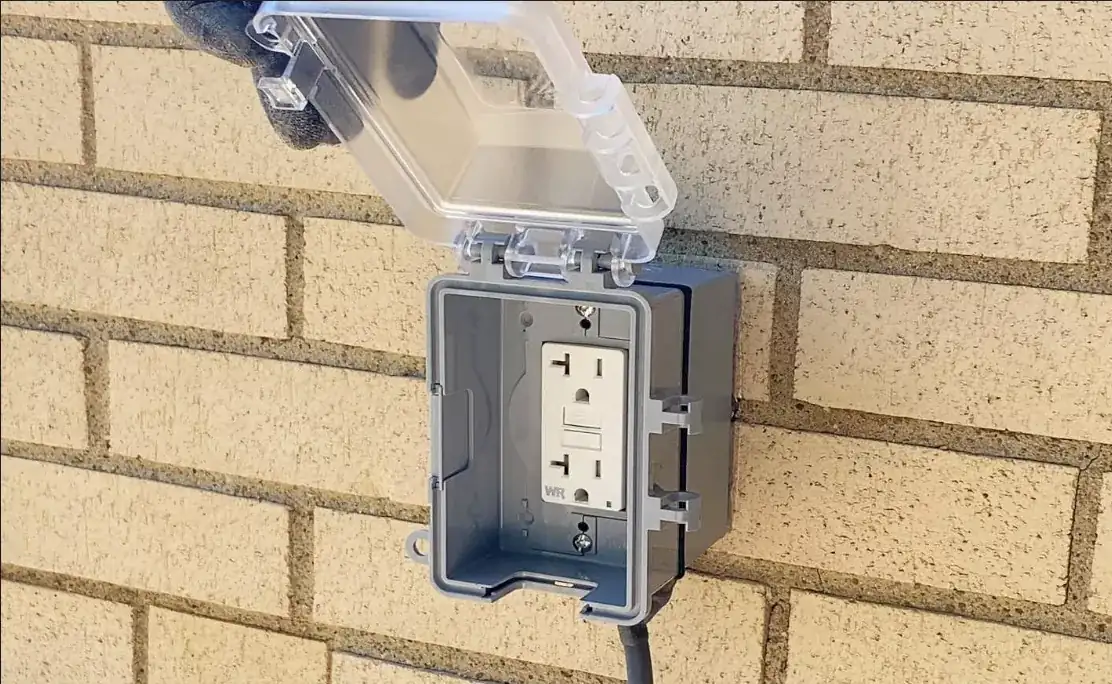
Every outdoor outlet requires a Ground Fault Circuit Interrupter (GFCI). This life-saving device detects electrical problems and shuts off power in milliseconds. It prevents serious shocks and electrocution.
GFCIs are required by code for all outdoor outlets, even covered ones. They’re also required for outlets near water sources.
Weatherproof Enclosures
Outdoor outlets need special covers that seal out rain, snow, and moisture. Even when something is plugged in, the cover should protect the connection. Spring-loaded covers work for unused outlets. In-use covers protect active connections.
Proper Wire Types
Only certain wires are rated for outdoor use. UF (Underground Feeder) cable handles direct burial. THWN wire works inside conduit. THHN wire is indoor-only and will fail outside. Using wrong wire types causes failures and creates hazards.
Correct Box Ratings
Junction boxes and outlet boxes must have outdoor ratings. Look for “weatherproof” or “suitable for wet locations” markings. Indoor boxes will corrode and fail outdoors.
Permits and Inspections
Most areas require permits for new electrical circuits. In Norman, building departments enforce electrical codes strictly. Inspectors verify that work meets safety standards.
Getting permits protects you legally. Inspected work adds value to your property. It also ensures insurance coverage if problems occur.
Professional Installation vs. DIY
Should you tackle outdoor electrical work yourself? This question requires honest assessment of your skills and knowledge.
Electrical work involves serious risks. Mistakes cause fires, equipment damage, and potentially fatal shocks. One error might not show problems immediately but could fail dangerously years later.
Professional electricians bring crucial advantages. They know current codes and safety requirements. They have specialized tools and testing equipment. Their work gets inspected and approved. They carry insurance protecting you if something goes wrong.
Companies like Tri-L Electric specialize in outdoor electrical installations. Their experience prevents costly mistakes and ensures reliable, safe results.
DIY might appear cheaper initially, but fixing mistakes costs more than hiring professionals from the start. Failed inspections delay projects. Insurance might not cover damage from improper wiring.
Planning Your Outdoor Power Project
Good planning prevents problems and saves money. Start by walking your property and marking exactly where you need power. Measure distances carefully. Think about future needs too – adding capacity later costs more.
Consider your power requirements. Running a few lights needs less capacity than operating power tools or hot tubs. Calculate the total wattage of everything you’ll use.
Check local regulations before starting. Call utility companies to mark underground lines before any digging. This free service prevents dangerous accidents and expensive repairs.
Get necessary permits before work begins. Submit plans showing your proposed installation. Building departments often provide helpful feedback improving your project.
Choosing the Right Method
The best approach depends on your specific situation and needs. Underground conduit offers the most reliable, permanent solution. Overhead lines work when burial isn’t feasible. Surface conduit serves well for short runs along buildings.
Consider these factors when deciding. How far does power need to travel? What’s your budget? Do you need temporary or permanent installation? What does your property look like?
Weather matters too. In Norman’s climate with hot summers and cold winters, proper insulation and protection are essential. Materials must handle temperature extremes without failing.
Related Services
Outdoor Lighting Design
Professional lighting design creates beautiful, functional outdoor spaces. Landscape lighting highlights architectural features and improves security. Properly planned systems use energy efficiently while providing excellent illumination.
Electrical Panel Upgrades
Adding outdoor circuits often requires panel upgrades. Modern panels provide adequate capacity and proper circuit protection. Upgraded panels support current needs and future expansion.
Home Automation Integration
Smart home systems control outdoor lights, outlets, and equipment remotely. Automated lighting improves security and convenience. Smart outlets let you control equipment from anywhere.
Landscape Electrical Systems
Complete landscape electrical packages include lighting, fountain pumps, and irrigation controls. Integrated systems work together efficiently and look professionally installed.
Making the Smart Choice
Running power outside correctly requires the proper use of materials, methods, and expertise. Underground conduit provides the most reliable solution for permanent installations. Overhead lines work when circumstances prevent burial. Surface conduit serves specific situations well.
Whatever method you choose, safety must come first. Use proper materials rated for outdoor use. Follow electrical codes carefully. Consider professional installation for peace of mind.
Don’t let outdoor power needs stress you out. With expert guidance from licensed electrician like Tri-L Electric, you’ll have safe, reliable electricity wherever you need it outside.
Quality outdoor electrical work serves you reliably for years to come. The investment in proper installation pays dividends in safety, functionality, and property value.