
Imagine your business losing power during the busiest time of day. Customers waiting, computers shutting down, and money slipping away. This nightmare becomes reality for businesses without backup power. Smart business owners protect themselves with reliable generator systems.
Let’s explore everything you need to know about backup power for your company.
What Are Business Backup Generators?
A generator creates electricity when your main power fails. Think of it as an insurance policy for your business. When storms knock out power or equipment fails, your generator automatically kicks in.
These machines range from small units that power basic equipment to large systems that run entire facilities. The size depends on what you need to keep operating during outages.
Why Your Business Needs Backup Power
Every minute without power costs money. Here’s what happens when electricity fails.
Restaurants lose refrigerated food worth thousands of dollars. Medical offices can’t access patient records or run essential equipment. Retail stores lose sales and frustrate customers. Manufacturing plants stop production lines. Data centers risk losing critical information.
A backup power system protects your business in multiple ways. Revenue continues because you serve customers without interruption. Equipment stays safe from power surges and sudden shutdowns. Employees remain productive instead of waiting in the dark. Your reputation grows stronger as customers see your reliability.
In places like Norman, where severe weather happens regularly, having backup power isn’t just smart – it’s essential for business survival.
Types of Generator Systems
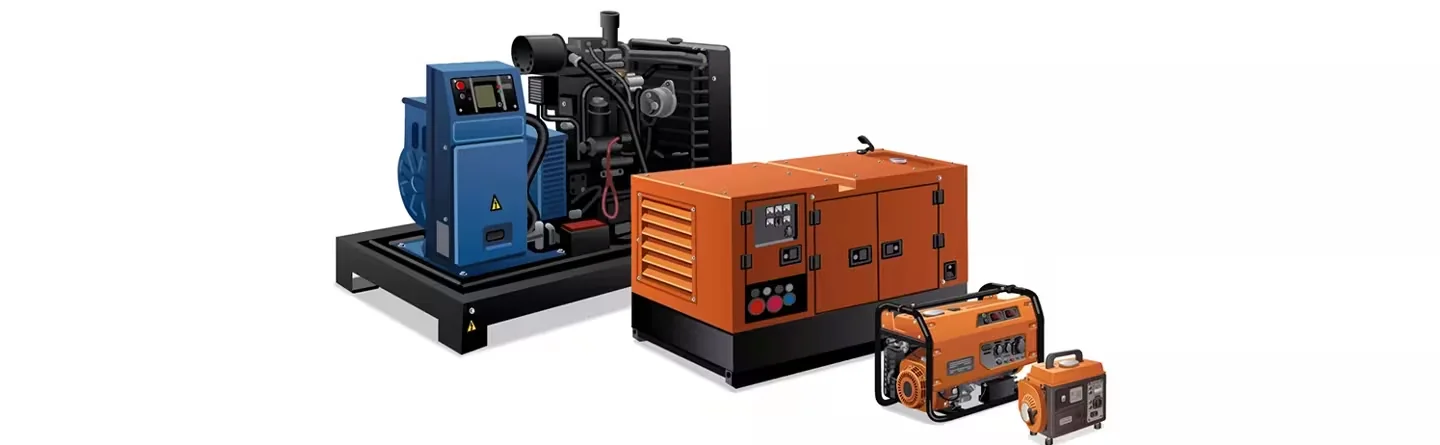
Standby Generators
These are the most popular choices for commercial use. They sit outside your building and monitor your power constantly. When electricity fails, they start automatically within 10 seconds. You don’t lift a finger.
Standby units run on natural gas or propane. They can operate for days or weeks without refueling. They’re built tough to handle frequent use and harsh weather.
Portable Generators
Smaller and moveable, these generators work well for construction sites or small businesses. Someone must start them manually when the power fails. They run on gasoline or diesel fuel.
Portable units cost less upfront but require more attention. You need to store fuel safely and maintain the equipment regularly.
Inverter Generators
These produce very clean, stable electricity, perfect for sensitive electronics. They run quieter than other types and use fuel efficiently. Offices with lots of computers often choose inverter models.
Choosing the Right Size
Getting the size right is crucial. Too small means not enough power. Too large wastes money on equipment you don’t need.
Start by listing everything that must run during an outage. Do you need heating or air conditioning? Refrigeration equipment? Computers and servers? Security systems? Lighting throughout the building?
Each piece of equipment uses a certain amount of power measured in watts or kilowatts. Add these numbers together. Then add 20-25% more capacity. This extra cushion prevents overloading and extends the life of the equipment.
A professional electrician can perform a load calculation. They measure your actual power needs and recommend the perfect size.
Fuel Options Explained
Natural Gas
This fuel connects through underground pipes to your building. It never runs out because it flows constantly. Natural gas burns clean and requires no storage tanks. Many Norman businesses prefer this convenient option.
Propane
Stored in tanks on your property, propane works reliably in all weather conditions. It lasts indefinitely when stored properly. You’ll need tank refills periodically based on usage.
Diesel
This fuel stores easily and packs lots of energy. Large generators often use diesel because it’s powerful and efficient. Diesel requires on-site storage tanks and regular fuel maintenance.
Installation Process
Installing a commercial generator isn’t a weekend project. It requires professional expertise and proper permits.
First, electricians assess your property and power needs. They determine the best location for the generator – usually outside with good ventilation. The unit needs a solid concrete pad for stability.
Next comes the transfer switch installation. This critical device connects your generator to your building’s electrical system. It switches between utility power and generator power automatically.
Finally, fuel connections get installed. For natural gas, this means connecting to existing gas lines. Propane and diesel require tank installation.
Companies like Tri-L Electric handle the entire process, including permits and inspections. Professional installation ensures safety and code compliance.
Maintenance Requirements
Generators need regular care to stay ready. Most manufacturers recommend monthly test runs. Let the unit operate for 30 minutes under load. This keeps internal parts lubricated and identifies problems early.
Schedule professional maintenance twice yearly. Technicians check oil levels, inspect connections, test batteries, and clean components. They catch minor issues before they become expensive failures.
Keep detailed maintenance records. They help track patterns and prove proper care if warranty issues arise.
Cost Considerations
Generator prices vary widely based on size and features. Small units for basic needs start around $3,000-$5,000. Medium-sized systems cost $10,000-$25,000. Large installations for big facilities can exceed $50,000.
Installation adds several thousand dollars more. You’ll also pay for permits, concrete pads, and fuel connections.
Operating costs include fuel, maintenance, and occasional repairs. However, compare these costs to lost revenue during power outages. Many businesses recover their investment after just one or two major outages.
Selecting a Provider
Choose an electrical company with commercial generator experience. Look for proper licensing and insurance. Ask about warranty coverage and service response times.
Good providers like Tri-L Electric offer comprehensive generator installation services. They assess your needs, recommend appropriate systems, handle installation, and provide ongoing maintenance.
Request references from similar businesses. How long have their generators operated reliably? Does the company respond quickly to service calls?
Planning for Your Investment
Start planning now, before you need emergency power. Waiting until after an outage means rushed decisions and limited options.
Meet with electrical professionals to discuss your needs. They’ll evaluate your facility and power requirements. Get detailed quotes from multiple providers.
Consider future growth, too. If you plan to expand operations, size your generator accordingly. Adding capacity later costs more than installing it initially.
Check financing options. Many suppliers offer payment plans that spread costs over time. The investment in reliable backup power protects your business for decades.
Related Services
Electrical Panel Upgrades
Older electrical panels may not support modern generator systems. Panel upgrades ensure safe, efficient power distribution throughout your facility.
Emergency Lighting Installation
Code-compliant emergency lighting keeps exits visible during power failures. Battery-backup systems provide immediate illumination when the main power fails.
Surge Protection Systems
Whole-building surge protectors defend sensitive equipment from power spikes. They work alongside generators to provide complete power protection.
Preventive Maintenance Programs
Regular electrical inspections identify potential problems before they cause outages. Scheduled maintenance keeps your entire electrical system running reliably.
Making Your Decision
Reliable backup power isn’t optional for serious businesses. It’s an essential investment in continuity, safety, and profitability.
The best time to install a generator system is now, while you can plan carefully and choose the right solution. Don’t wait until an emergency forces a hasty decision.
Work with experienced professionals who understand commercial power needs. Proper installation and maintenance provide decades of reliable service. When the next power outage hits Norman, your business will keep running while competitors sit in the dark.