
Many homeowners are starting to wonder how much electricity their heating appliances use in light of the rising cost of energy. Although electric blankets are becoming more and more popular as an energy efficient heating option it is still unclear if they consume a significant amount of electricity. You can make more informed decisions about your heating expenses and electrical usage during the winter months if you are aware of how much power these comfort devices use.
Understanding Electric Blanket Power Consumption
When compared to other heating devices electric blankets use comparatively little electricity making them surprisingly energy efficient appliances. Depending on their size and heat settings and the majority of standard electric blankets run between 15 and 115 watts. They are therefore among the least expensive methods of keeping oneself warm in cold weather.
The targeted heating design principle of electric blankets accounts for their low energy consumption. These blankets provide an effective heating solution that requires little electrical input for maximum comfort output by concentrating heat directly on the user rather than warming an entire room.
How Much Electricity Does an Electric Blanket Use
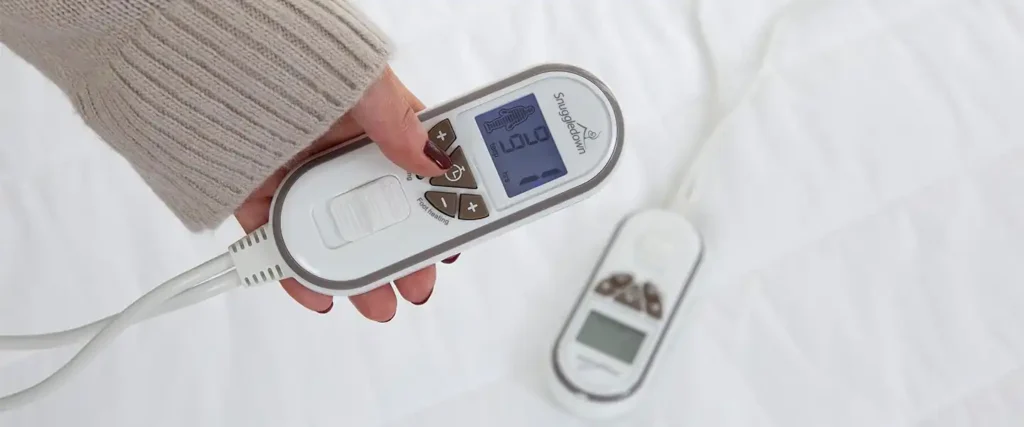
The real amount of electricity used by an electric blanket varies depending on a number of important factors. The energy consumption of a blanket is greatly influenced by its size twin size blankets usually use 35–50 watts while king size models can use 75–115 watts at their highest settings.
But electric blankets hardly ever run at full power all the time. In order to maintain the desired temperature built in thermostats control the heating elements by turning them on and off. In comparison to the maximum rated wattage this automatic regulation drastically lowers actual energy consumption.
Temperature settings have a direct impact on how much electricity is used. Higher heat settings draw more electricity while lower heat settings use less. The majority of users discover that medium settings offer sufficient warmth at low energy costs.
Additionally, your electric blanket’s age and effectiveness
Electric Blanket Energy Cost Analysis
To understand the true cost of operating an electric blanket, consider both the wattage and usage patterns. A typical 50 watt electric blanket used for eight hours per night would consume 0.4 kilowatt hours of electricity. At an average electricity rate of 12 cents per kilowatt hour, this translates to approximately 4.8 cents per night of operation.
Comparative Energy Usage Table
Understanding electric blanket consumption becomes clearer when compared to alternative heating methods. The following table illustrates typical energy usage for various heating appliances:
| Heating Device | Typical Wattage | 8-Hour Daily Usage | Daily Cost (at $0.12/kWh) | Monthly Cost |
| Electric Blanket (Twin) | 35-50 watts | 0.28-0.40 kWh | $0.034-$0.048 | $1.01-$1.44 |
| Electric Blanket (Full/Queen) | 60-85 watts | 0.48-0.68 kWh | $0.058-$0.082 | $1.73-$2.45 |
| Electric Blanket (King) | 75-115 watts | 0.60-0.92 kWh | $0.072-$0.110 | $2.16-$3.31 |
| Portable Space Heater | 1,000-1,500 watts | 8.0-12.0 kWh | $0.96-$1.44 | $28.80-$43.20 |
| Electric Baseboard Heater | 1,500-2,500 watts | 12.0-20.0 kWh | $1.44-$2.40 | $43.20-$72.00 |
| Heat Pump (single room) | 2,000-4,000 watts | 16.0-32.0 kWh | $1.92-$3.84 | $57.60-$115.20 |
How to Use an Electric Blanket Efficiently

Comfort and energy efficiency are increased when electric blankets are used correctly. When used properly, the electricity consumption can be greatly decreased while maintaining ideal temperatures all night long.
Before using your bed, start by heating it up for ten to fifteen minutes. Once you’re comfortable, lower the temperature or turn off the blanket completely. Without using more energy, the blanket and bedding’s retained heat can frequently keep you warm for hours.
The efficiency of electric blankets is increased through layering techniques. After placing the electric blanket directly onto your fitted sheet, cover it with comforters or other blankets. Because of its efficient heat trapping design, the electric blanket can function at lower settings without sacrificing comfort.
Select the right temperature settings according to your preferences and the conditions of the room. Comfortable warmth with little energy consumption is frequently achieved by starting with lower settings and progressively raising them if necessary. Many users find they need less heat than they thought.
Energy waste is avoided and even heat distribution is guaranteed with proper placement. Avoid bunching or folding the blanket as this can result in hot spots and make it harder for the thermostat to maintain a constant temperature. Instead, spread it evenly across the bed surface.
Factors Affecting Electric Blanket Energy Consumption
Several variables influence the actual electricity usage of electric blankets beyond their rated wattage. Ambient room temperature plays a significant role, as blankets in colder rooms must work harder to maintain desired warmth levels, resulting in increased energy consumption.
Bedding materials and thickness affect heat retention around the electric blanket. Heavy comforters and quality insulating materials help retain generated heat, allowing the blanket to cycle off more frequently and reduce overall energy usage.
Duration of use directly impacts total consumption. Continuous overnight operation consumes more electricity than targeted pre heating followed by reduced or intermittent use. Understanding your comfort needs helps optimize usage patterns for energy efficiency.
The condition and age of your electric blanket influence efficiency. Well maintained blankets with intact insulation and properly functioning thermostats operate more efficiently than worn or damaged units that may cycle irregularly or lose heat through compromised materials.
Safety and Efficiency Best Practices
Proper electric blanket maintenance ensures both safety and optimal energy efficiency. Regular inspection of cords, plugs and fabric helps identify potential issues that could affect performance or create hazards. If you’re unsure about the safety of your home’s electrical setup, consider a professional electrical inspection to catch problems early.
Never fold or bunch electric blankets during operation, as this can damage the heating elements and create dangerous hot spots. Always follow the manufacturer’s instructions for washing and storage to maintain the blanket’s integrity and efficiency.
Modern electric blankets now feature automatic shut off timers and overheat protection. These not only enhance safety but also improve energy efficiency by avoiding unnecessary power usage.
Replace any blanket that shows signs of wear, inconsistent heating or damaged cords and controls. Newer models offer better safety and lower energy consumption, making them a smart upgrade for your home.
Environmental and Economic Benefits
Electric blankets provide environmental advantages through their energy efficiency compared to whole room heating solutions. Reduced energy consumption translates to lower carbon footprints and decreased demand on electrical generation facilities.
The targeted heating approach of electric blankets allows households to lower thermostat settings while maintaining personal comfort. This strategy can result in substantial energy savings when heating entire homes or specific rooms would otherwise be necessary.
Economic benefits extend beyond low operating costs to include reduced wear on central heating systems. Using electric blankets for personal comfort reduces the demand on furnaces and heat pumps, potentially extending their lifespan and reducing maintenance requirements.
Professional Electrical Considerations
While electric blankets are low power appliances, ensuring your home’s electrical system can safely support their use remains important. Proper outlet condition and adequate circuit capacity prevent safety issues and ensure efficient operation.
Older homes may benefit from electrical system evaluation to confirm safe operation of modern appliances. Outdated wiring or overloaded circuits can compromise both the safety and efficiency of electric blankets and other heating devices.
If you experience frequent circuit breaker trips when using electric blankets with other appliances, professional electrical consultation can identify and resolve capacity issues. Proper electrical infrastructure supports safe, efficient operation of all your heating appliances.
Ground fault circuit interrupter protection in bedrooms and other sleeping areas provides additional safety for electric blanket use. Professional electricians can evaluate and upgrade electrical protection systems to enhance safety for all electrical appliances.
Maximizing Electric Blanket Value
Getting maximum value from your electric blanket investment requires balancing initial cost, operating efficiency and longevity. Quality blankets with precise temperature controls and good insulation provide better long term value through reduced operating costs and extended lifespan.
Consider your specific heating needs when selecting an electric blanket size and features. Oversized blankets consume more energy while undersized units may require higher settings to provide adequate comfort increasing operating costs.
Seasonal usage patterns affect the cost effectiveness of electric blanket investment. Homes in colder climates with extended heating seasons realize greater savings compared to regions with mild winters and minimal heating requirements.
FAQs
Q1. Do electric blankets use a lot of electricity?
No, electric blankets are very energy efficient. Most models consume between 35 to 115 watts, which is far less than space heaters or central heating systems.
Q2. Can I leave my electric blanket on all night?
Yes, most modern electric blankets are designed with safety features like automatic shut off timers. However, it’s still best to preheat your bed and lower the setting or turn it off once you’re in bed for maximum efficiency and safety.
Q3. How much does it cost to run an electric blanket each month?
Running a 50-watt blanket for 8 hours each night typically costs around $1.44 per month, depending on local electricity rates.
Q4. Are electric blankets safer than space heaters?
Yes, electric blankets are generally safer when used as directed. Space heaters can be fire hazards if placed too close to flammable objects, while electric blankets provide directed heat with less risk.
Q5. Can using an electric blanket help lower my heating bill?
Absolutely. Since they heat the user directly instead of the whole room, electric blankets allow you to lower your home’s thermostat while staying warm, leading to potential savings on your heating bill.
Q6. What should I do if my circuit breaker trips when using an electric blanket?
This could be a sign of an overloaded circuit or an outdated electrical system. Contact Tri Electric LLC for a professional inspection and necessary upgrades to ensure safe operation.
Q7. How long do electric blankets typically last?
With proper care, most electric blankets last 5 to 10 years. If you notice inconsistent heating or frayed cords, it may be time for a replacement.
Q8. Can I wash my electric blanket?
Yes, but always follow the manufacturer’s instructions. Most modern blankets are machine washable, but overwashing or incorrect handling can damage internal wiring.
Conclusion
Electric blankets are one of the cheapest and most energy efficient ways to stay warm in the winter. They are very comfortable and dont use a lot of energy so they won’t raise your energy bills. You can have cozy nights without worrying if you use it correctly with the right settings smart habits and a reliable electrical system.
Are you unsure if your home’s electrical system can handle your heating appliances? Are you having problems with outlets or breakers? That’s where Tri-l Electric LLC comes in. Our licensed electricians can check your setup suggest upgrades if necessary and make sure everything is working safely and well.
Experiencing electrical issues with your heating appliances or concerned about your home’s electrical capacity? Contact Tri-l Electric LLC for professional electrical system evaluation and upgrade services. Our licensed electricians ensure your electrical system safely supports all your comfort devices while maintaining optimal efficiency. From outlet inspections to circuit upgrades, we provide comprehensive electrical solutions for safe, reliable home heating.
Schedule your electrical safety consultation today to ensure your heating solutions operate safely and efficiently.