
Electrical code violations pose serious safety risks to your home and family. Many homeowners discover these violations during home inspections, remodeling projects, or after experiencing electrical problems. Understanding the most common code violations helps you identify potential hazards and take corrective action before they lead to dangerous situations.
Why Electrical Code Compliance Matters
Electrical codes exist to protect people and property from fire hazards, electrocution, and other dangers. These regulations establish minimum safety standards for electrical installations. When violations occur, whether from outdated work, DIY projects, or unprofessional installations, your home’s safety becomes compromised.
Licensed electricians find code violations regularly during diagnostic inspections. Some violations result from older homes built before modern codes existed. Others stem from homeowners attempting electrical work without proper knowledge or unlicensed contractors cutting corners. Regardless of the cause, identifying and correcting these issues protects your family and property.
Improper Wire Connections and Junction Box Issues
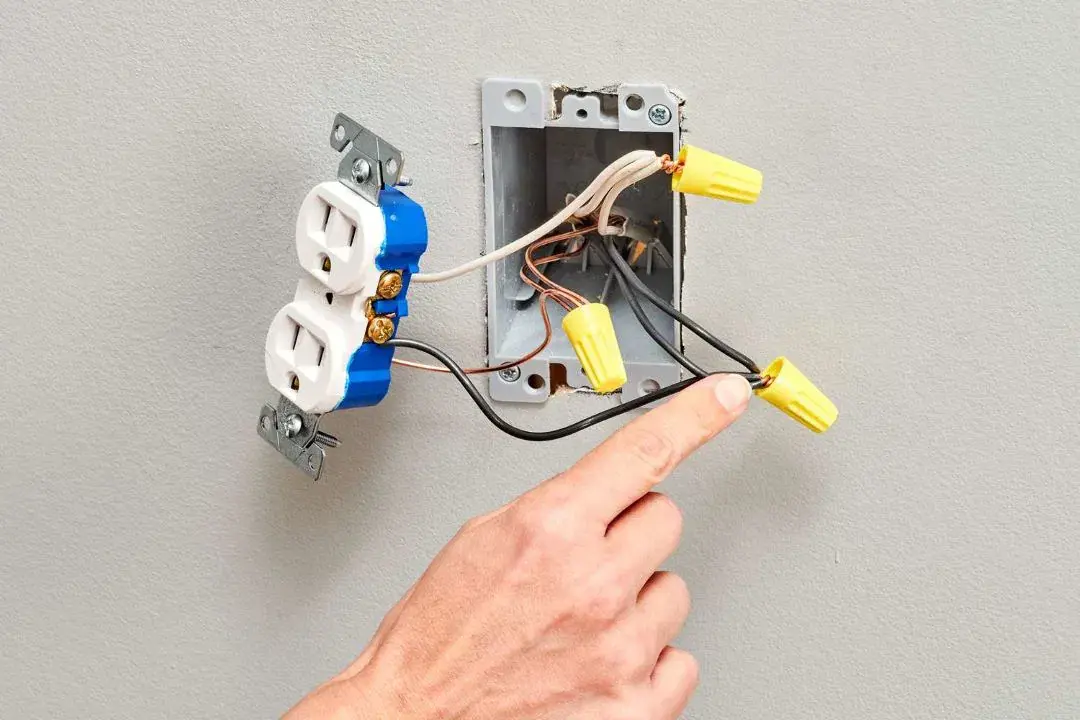
One of the most frequent violations involves improper wire connections. Electrical connections must occur inside approved junction boxes that remain accessible. Buried junction boxes, loose wire connections, or exposed splices create serious fire hazards.
Many homeowners discover hidden junction boxes during remodeling projects. Previous owners or contractors may have covered these boxes with drywall, making them inaccessible. Code requires all junction boxes to remain accessible without removing permanent building materials.
Loose wire connections generate heat and can spark fires inside walls. Professional electricians check connection tightness and ensure proper wire nuts or connectors secure all splices. They also verify that junction boxes have proper covers and meet current safety standards.
Overloaded Circuits and Improper Wire Sizing
Circuits designed for 15 amps should not be overloaded with devices drawing more current. Similarly, wire size must match the circuit breaker rating. Using wire that is too small for the breaker creates a dangerous situation where the wire can overheat before the breaker trips.
Common overloading violations include tapping into existing circuits for new additions without calculating total load. Kitchen remodels frequently create this problem when homeowners add new appliances to circuits already serving multiple outlets. Modern appliances draw more power than older models, making previously adequate circuits insufficient.
Another violation involves using extension cords as permanent wiring. Extension cords serve temporary purposes only. Routing extension cords through walls, under carpets, or using them to permanently power appliances violates electrical code and creates fire hazards.
Missing or Inadequate GFCI Protection
Ground Fault Circuit Interrupter (GFCI) protection prevents electrocution in areas where water and electricity may meet. Code requires GFCI outlets in bathrooms, kitchens, garages, basements, outdoor areas, and other locations where moisture exists.
Many older homes lack proper GFCI protection. Inspectors frequently find standard outlets installed in locations requiring GFCI protection. This violation is particularly dangerous in bathrooms and kitchens where wet hands and electrical appliances create shock hazards.
Some homeowners install GFCI outlets incorrectly, protecting only the device itself rather than downstream outlets. Proper GFCI installation can protect multiple outlets on the same circuit. Professional electricians verify correct GFCI installation and coverage throughout your home.
Improper Bathroom and Kitchen Wiring
Bathrooms and kitchens have specific electrical requirements due to the presence of water and high-powered appliances. Violations in these areas pose immediate safety risks to families.
Bathroom circuits should not serve other rooms. Many older homes have bathroom outlets sharing circuits with bedrooms or hallways. Current code requires dedicated circuits for bathroom outlets to prevent overloading when hairdryers and other appliances operate.
Kitchen wiring violations include insufficient outlet spacing, missing dedicated appliance circuits, and improper countertop outlet installation. Code requires outlets every four feet along countertops and dedicated circuits for refrigerators, dishwashers, and garbage disposals. Many older kitchens lack these safety features.
Ungrounded Outlets and Missing Equipment Grounds
Three-prong outlets require proper grounding to function safely. Simply installing three-prong outlets on two-wire ungrounded circuits creates a false sense of security. These outlets appear safe but provide no ground fault protection.
Homeowners sometimes replace old two-prong outlets with three-prong versions without running ground wires. This dangerous practice misleads people into thinking their outlets offer protection when they do not. Proper correction requires either running ground wires, installing GFCI protection, or using two-prong outlets.
Modern appliances rely on equipment grounding for safety. Without proper grounds, metal appliance cases can become energized during fault conditions, creating shock hazards. Professional electricians verify grounding throughout your electrical system during inspections.
Inadequate Wire Protection and Physical Damage
Electrical wires require protection from physical damage. Code violations occur when wires run exposed in areas where they can be damaged, or when improper methods secure them to building structures.
Common violations include exposed wiring in garages, basements, or attics without proper protection. Wires must run through conduit or be secured properly when exposed. Staples driven too tightly can damage wire insulation, creating shock and fire hazards.
Another frequent problem involves wires running along the ground or through areas where they might be stepped on, hit by tools, or damaged by stored items. All wiring must follow approved methods and include appropriate protection for its location and use.
Improper Outdoor and Exterior Wiring
Outdoor electrical installations face unique challenges from weather, moisture, and physical exposure. Code violations in exterior locations create immediate safety concerns.
Outdoor outlets must have weatherproof covers that protect against rain even when cords are plugged in. Many homes have older “bubble” covers that only protect empty outlets. Current code requires “while-in-use” covers for outdoor receptacles.
Exterior wiring must use appropriate materials rated for wet locations. Using indoor-rated wire, boxes, or fixtures outdoors leads to rapid deterioration and potential failures. Underground wiring requires proper burial depth and conduit protection based on wire type and location.
Missing Arc Fault Circuit Interrupter Protection
Arc Fault Circuit Interrupters (AFCI) protect against electrical fires caused by arcing conditions. Modern code requires AFCI protection for most circuits in living areas. Many older homes lack this important safety feature.
AFCI devices detect dangerous arcing conditions that standard breakers miss. These conditions occur from damaged cords, loose connections, or deteriorating wiring. Without AFCI protection, these situations can cause fires that go undetected until significant damage occurs.
Upgrading older panels to include AFCI protection significantly improves home safety. While this upgrade requires investment, the fire prevention benefits make it worthwhile for protecting your family and property.
Professional Electrical Inspection in Norman, OK
Identifying electrical code violations requires knowledge of current codes and proper diagnostic techniques. Many violations hide behind walls or in areas homeowners rarely inspect. Professional electrical diagnosis uncovers these hidden dangers and provides solutions for correction.
Tri-L Electric offers comprehensive electrical inspections for homeowners in Norman, OK and surrounding areas. Our licensed electricians identify code violations, explain the safety risks, and provide clear solutions for bringing your electrical system up to current standards. Whether you are buying a home, planning renovations, or simply concerned about electrical safety, professional inspection provides peace of mind.
Don’t wait for electrical problems to create dangerous situations. Contact Tri-L Electric today to schedule an electrical safety inspection. Our team will thoroughly evaluate your system, identify any code violations, and recommend appropriate corrections to protect your home and family.
Frequently Asked Questions
How much does it cost to fix electrical code violations?
Correction costs vary widely depending on the violation type and extent. Simple fixes like adding GFCI outlets may cost a few hundred dollars, while rewiring portions of your home could cost several thousand. Professional electricians provide detailed estimates after inspecting your specific situation.
Can I sell my home with electrical code violations?
You can sell a home with violations, but disclosure requirements vary by location. Many buyers will request repairs or price reductions when inspections reveal electrical problems. Correcting violations before selling often makes the process smoother and may increase your home’s value.
How often should I have my electrical system inspected?
Experts recommend electrical inspections every 10 years for newer homes and every 3-5 years for homes over 25 years old. Additional inspections make sense when buying a home, after major electrical work, or if you notice problems like frequent breaker trips or flickering lights.
Are code violations my fault if previous owners created them?
While you did not create violations from previous owners or contractors, you become responsible for correcting them once discovered. Electrical code exists to protect safety, not assign blame. Focus on identifying and fixing problems rather than worrying about who caused them.
Do I need permits to fix code violations?
Most electrical corrections require permits and inspections. Licensed electricians handle permit applications as part of their service. Permits ensure work meets current standards and provides documentation of proper corrections for future home sales or insurance purposes.