
Home renovations offer exciting opportunities to transform your living space, but they also present critical electrical challenges that many homeowners overlook. Whether you are planning a kitchen remodel, adding a home office, or finishing your basement, understanding electrical requirements ensures your project stays safe, legal, and functional for years to come.
Norman homes, particularly older properties, often face unique electrical considerations during renovation projects. From outdated wiring systems to insufficient electrical capacity, these issues can derail timelines and budgets if not addressed early. The good news is that proper planning and professional guidance make the electrical aspects of your renovation straightforward and stress-free.
Assessing Your Current Electrical System
Before breaking ground on any renovation, you need a clear picture of your existing electrical infrastructure. Many Norman homes built before 1980 still have original wiring that cannot safely support modern electrical demands. Understanding your current system’s capacity and condition prevents costly surprises mid-project.
Panel Capacity and Service Size
Your electrical panel serves as the heart of your home’s electrical system. Most modern homes require at least 200-amp service to handle today’s electrical loads, but many older Norman properties still operate on 100-amp or even 60-amp panels.
Kitchen renovations typically demand significant electrical capacity. New appliances like induction cooktops, double ovens, and high-powered range hoods each require dedicated circuits. Adding these loads to an already maxed-out panel creates safety hazards and code violations.
Identifying Outdated Wiring
Common older wiring types in Norman homes include knob-and-tube and aluminium wiring. Both present safety concerns and typically require replacement during renovations. Knob-and-tube wiring lacks grounding and cannot safely power modern electronics.
Building codes may require you to upgrade all wiring in renovated areas, even if you are only changing cosmetic features. This adds cost but significantly improves safety and home value.
Code Compliance in Renovation Projects
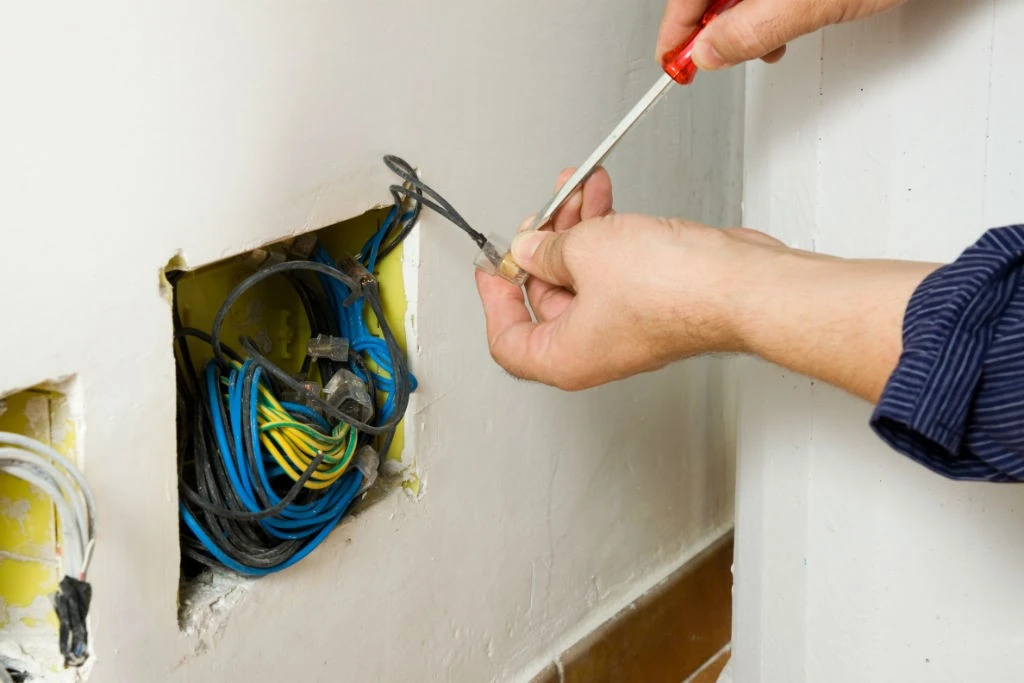
Norman building codes govern all electrical work during renovations. These regulations protect your family and ensure your home meets safety standards. Ignoring code requirements leads to failed inspections, insurance issues, and potential hazards.
When Permits Are Required
Any electrical work beyond simple fixture replacements requires permits in Norman. Adding outlets, installing new circuits, upgrading panels, and relocating switches all require permits. Some homeowners attempt to skip this step, but unpermitted work creates serious problems when selling your home or filing insurance claims.
Permits ensure qualified electricians perform your work, and inspectors verify code compliance. The process may seem bureaucratic, but it protects your investment and family safety.
GFCI and AFCI Requirements
Modern codes require ground-fault circuit interrupter (GFCI) protection in bathrooms, kitchens, laundry rooms, and outdoor areas. These devices prevent electrocution by detecting current imbalances and shutting off power instantly. Renovations in these areas must include GFCI protection even if your existing system lacks it.
Arc fault circuit interrupters (AFCIs) are increasingly required in living areas, bedrooms, and family rooms. These devices detect dangerous electrical arcing that can start fires and disconnect power before damage occurs. Many renovation projects require upgrading existing circuits with AFCI protection.
Planning Electrical Needs Room by Room
Different renovation projects carry unique electrical considerations. Planning electrical requirements for each space ensures you install adequate capacity and the proper number of outlets from the start.
Kitchen Renovations
Kitchens demand more electrical capacity than any other room. Modern appliances require numerous dedicated circuits, and building codes specify minimum outlet quantities and placement. Plan for at least 2 20-amp small-appliance circuits for countertop outlets, plus dedicated circuits for your refrigerator, dishwasher, microwave, and garbage disposal.
Ranges, cooktops, and wall ovens typically require 240-volt circuits with substantial amperage capacity. Kitchen islands require outlets to be installed in accordance with specific code requirements.
Work with Tri-L Electric early in your kitchen planning to ensure your electrical design supports your appliance selections and layout preferences.
Bathroom Additions and Remodels
Bathrooms require careful electrical planning due to moisture concerns. All outlets must be protected by GFCI protection, and lighting must meet specific safety standards. Heated floors, towel warmers, and spa tubs each require dedicated circuits.
Ventilation fans are required by code in bathrooms without windows. Consider adding outlets near mirrors for hair dryers and electric razors, ensuring they are GFCI-protected and positioned away from water sources.
Home Office and Media Rooms
Modern home offices require numerous outlets and often benefit from dedicated circuits for computer equipment. Panel-level surge protection protects sensitive electronics from power spikes.
Media rooms need proper electrical planning for televisions, sound systems, gaming consoles, and streaming devices. Consider outlet placement behind wall-mounted televisions and within furniture arrangements.
Basement Finishing Projects
Finishing basements presents unique electrical challenges in Norman homes. Moisture control, proper lighting levels, and egress requirements all impact electrical planning.
Unfinished basements typically have minimal electrical infrastructure. Plan circuits for general lighting, receptacles throughout the space, dedicated circuits for entertainment areas, and separate circuits for utility areas like laundry rooms or workshops.
Working with Licensed Electrical Contractors
Electrical work is not a DIY project, especially during renovations. Licensed electricians understand code requirements, proper installation techniques, and safety protocols that protect your home and family. Attempting electrical work yourself or hiring unlicensed contractors creates liability and safety risks.
The Value of Professional Electrical Planning
Professional electricians provide valuable input during the design phase of your renovation. They identify potential issues before construction begins and ensure your electrical system can support future needs.
Experienced contractors like Tri-L Electric collaborate with general contractors, architects, and homeowners to seamlessly integrate electrical planning into renovation projects.
Understanding the Inspection Process
Electrical inspections occur at specific project milestones. Rough-in inspections happen after wiring installation but before walls are closed up. Final inspections verify completed work meets all code requirements.
Licensed electricians familiar with local inspection requirements ensure your project passes the first time, keeping your renovation on schedule.
Budgeting for Electrical Upgrades
Electrical work represents a significant portion of renovation budgets. Understanding typical costs helps you plan appropriately and avoid budget overruns.
Panel Upgrades and Service Increases
Upgrading from 100-amp to 200-amp service typically costs several thousand dollars, depending on accessibility and local utility requirements. This expense includes the new electrical panel installation, meter base, service conductors, and utility coordination.
Panel upgrades may require trenching for new service lines or modifications to your utility connection. Factor these possibilities into your budget with contingency funds.
Circuit Installation and Wiring Costs
New circuit installation costs vary based on wire run length, accessibility, and circuit type. Simple 15-amp circuits for lighting cost less than heavy-duty 240-volt circuits for appliances.
Future-Proofing Your Electrical System
Thoughtful renovation planning considers not just current needs but future requirements. Installing extra capacity now costs far less than retrofitting later.
Installing Extra Circuits and Outlets
Adding outlets during renovation costs less than adding them later. Consider installing more outlets than the minimum code requirements in home offices, kitchens, and entertainment areas. Install conduit runs for future needs, such as electric vehicle charging, solar panels, or outdoor kitchens. These preparations cost little during open-wall renovation but save thousands if added later.
Smart Home Integration
Modern homes increasingly rely on innovative technology for lighting, climate control, security, and entertainment. Plan electrical infrastructure that supports these systems, including neutral wires in switch boxes for smart switches.
Protecting Your Investment
Quality electrical work protects your renovation investment and ensures long-term safety and functionality. Cutting corners on electrical costs more in the long run through failed inspections, safety hazards, and reduced home value. Your home renovation deserves electrical work that matches the quality of your vision. From initial planning through final inspection, professional electrical contractors ensure your project meets all safety standards while delivering the functionality you need.
Ready to start planning the electrical aspects of your Norman home renovation? Contact Tri-L Electric at (405) 887-6141 to schedule a consultation. Our experienced team will assess your current system, discuss your renovation goals, and provide detailed planning that keeps your project on track and up to code.