
Your home’s electrical panel serves as the central hub distributing power throughout your property, making it one of the most critical components of your electrical system. As homeowners add modern appliances, electric vehicles, smart home technology, and power-hungry devices, many older electrical panels struggle to meet these increased demands. Understanding when your panel needs upgrading, what the process involves, and how to navigate the project successfully ensures your home’s electrical system remains safe, reliable, and capable of supporting your family’s needs.
Understanding Your Electrical Panel’s Role
The electrical panel, often called a breaker box or service panel, receives power from utility lines and distributes it through individual circuits to outlets, lights, and appliances throughout your home. Circuit breakers within the panel protect each circuit from overloads by automatically shutting off power when current exceeds safe levels.
Panel capacity is measured in amperes (amps), indicating the maximum electrical current your system can safely deliver. Older homes often have 60 or 100 amp panels installed when electricity demands were far lower than today. Modern homes typically require 200-amp service to accommodate contemporary lifestyles and appliances.
Understanding your panel’s current capacity and limitations helps you recognize when upgrades become necessary. Insufficient capacity leads to frequent breaker trips, inability to run multiple appliances simultaneously, and potential safety hazards from overloaded circuits.
Signs Your Panel Needs Upgrading
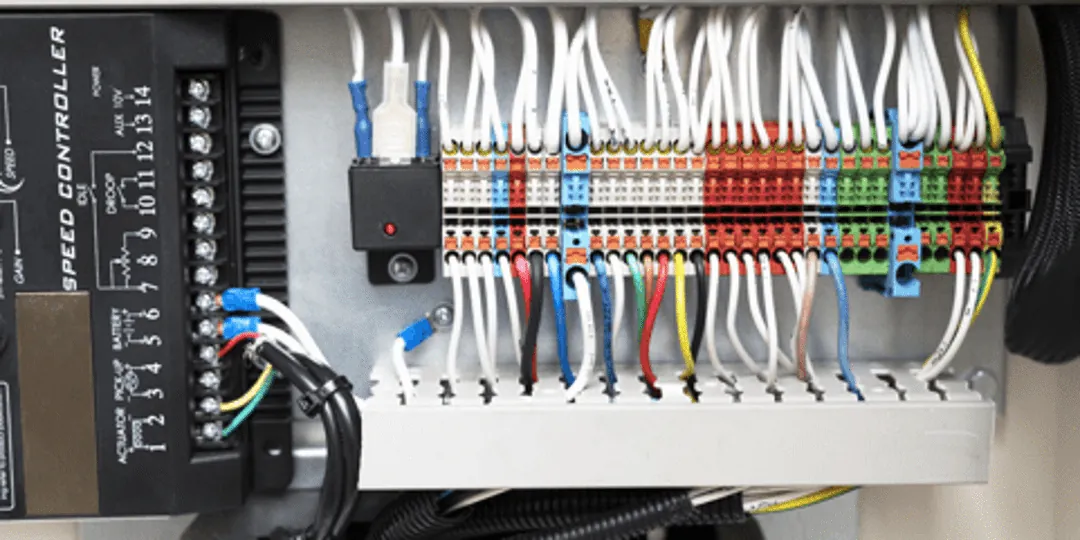
Several clear indicators tell you when your electrical panel requires replacement or upgrading. Recognizing these signs early prevents problems from escalating into dangerous situations.
Frequent breaker trips signal that circuits regularly exceed their designed capacity. While occasional trips during unusual circumstances are normal, repeated tripping during everyday activities means your system cannot handle your electrical demands.
Flickering or dimming lights when appliances operate indicate voltage drops from inadequate electrical capacity. Your wiring struggles to deliver enough power for everything running simultaneously. This problem typically worsens as you add more devices over time.
Burning smells or scorch marks around your electrical panel represent serious fire hazards requiring immediate professional attention. These signs indicate overheating from loose connections, failing breakers, or overloaded circuits. Never ignore these warning signals.
Buzzing or crackling sounds from your panel suggest loose connections or failing components. Electrical current should flow silently through properly functioning equipment. Any audible noise indicates abnormal conditions that can rapidly deteriorate into fire hazards.
Inability to add new circuits for renovations, additions, or major appliances means your panel has reached capacity. Modern kitchens, home offices, and entertainment systems often require dedicated circuits that older panels cannot accommodate without upgrades.
Older panel types, including Federal Pacific Electric and Zinsco brands, have known safety issues with breakers failing to trip during overloads. If your home contains these panels, replacement provides critical safety improvements even if capacity seems adequate.
Benefits of Upgrading Your Electrical Panel
Panel upgrades deliver numerous advantages beyond simply preventing breaker trips. Safety improvements rank as the primary benefit. Modern panels incorporate arc fault circuit interrupters (AFCIs) and ground fault circuit interrupters (GFCIs), detecting dangerous conditions and shutting off power before fires or shocks occur.
Increased capacity supports modern electrical demands without overloading your system. A 200-amp panel provides headroom for electric vehicle chargers, high-efficiency heat pumps, induction cooktops, and multiple simultaneous appliances that 100-amp service cannot safely handle.
Home value increases with updated electrical systems. Buyers recognize that homes with modern electrical infrastructure require no immediate electrical work, making properties more attractive and valuable. Real estate agents often highlight electrical upgrades as significant selling points.
Insurance benefits sometimes include lower premiums for homes with updated electrical systems. Some insurers charge higher rates or refuse coverage for homes with outdated panels. Upgrading can improve insurability and reduce costs.
Future-proofing your home for emerging technologies becomes possible with adequate electrical capacity. As electric vehicles, battery storage systems, and electrified heating become more common, having sufficient electrical capacity positions your home to adopt these technologies without further electrical work.
The Panel Upgrade Process
Understanding what panel upgrades involve helps homeowners prepare for the project and set appropriate expectations. Initial assessment begins with professional electricians evaluating your current panel, electrical demands, and upgrade requirements. Electricians measure your home’s total electrical load, identify necessary circuits, and determine the appropriate panel size for your needs.
Permit acquisition represents a critical step that licensed electricians handle. Local building departments require permits for panel upgrades, ensuring work meets electrical codes and safety standards. Permit processes involve submitting plans, paying fees, and scheduling inspections.
Utility coordination becomes necessary because panel upgrades often require utility company involvement. Power must be disconnected at the meter before work begins. Utilities may need to upgrade service entrance cables, weatherheads, or meters, depending on your situation.
Panel installation takes a full day or more, depending on project complexity. Electricians disconnect your old panel, install the new panel, reconnect all circuits, ensure proper grounding, and verify everything functions correctly. Your home will be without power during significant portions of the installation.
Inspection approval completes the upgrade process. Municipal electrical inspectors verify that installations meet code requirements before authorizing connection to utility power. This inspection protects homeowners by ensuring professional work quality and safety compliance.
Choosing the Right Panel Size
The 200-amp panel represents the standard for most modern homes. This capacity handles typical residential electrical loads, including major appliances, HVAC systems, lighting, outlets, and reasonable future growth. Most homeowners find 200-amp service adequate for their lifetimes.
Load calculations help determine the appropriate panel size by adding up all your home’s electrical demands. Licensed electricians perform these calculations considering simultaneous use factors, future additions, and safety margins. These professional calculations ensure you get the right size panel.
Future planning considerations include anticipated electric vehicle purchases, home additions, heat pump installations, or solar panel systems. Accounting for these possibilities during initial upgrades prevents needing further electrical work within a few years.
Cost Factors and Budgeting
Panel upgrade costs vary significantly based on numerous factors. Panel size affects material costs, with 200-amp panels costing more than 100-amp models. However, the incremental cost difference is modest compared to labour and other expenses.
Service entrance upgrades add substantial costs when utility equipment requires replacement. Upgrading from 100 to 200 amp service often necessitates new service entrance cables, weatherheads, and meter bases. Utility company fees and coordination extend both costs and timelines.
Typical panel upgrade costs range from $2,000 to $5,000 for straightforward replacements and $3,500 to $8,000 for projects involving service entrance upgrades. Complex projects with extensive additional electrical work cost more.
Selecting Qualified Electricians
Choosing the right electrical contractor ensures quality work, code compliance, and safety. Licensing verification represents your first screening criterion. Oklahoma requires electrical contractors to hold valid licenses. Verify license status through the appropriate state agencies.
Experience with panel upgrades specifically matters because this specialized work differs from general electrical repairs. Ask potential contractors how many panel upgrades they complete annually and request references from recent similar projects.
Written estimates should detail all work included, materials specifications, timeline expectations, permit handling, and total costs. Compare multiple estimates, ensuring you understand what each contractor proposes.
Tri-L Electric serves Norman homeowners with professional electrical panel upgrades and comprehensive electrical services. Our licensed electricians bring extensive panel upgrade experience, ensuring your project proceeds smoothly from initial assessment through final inspection approval.
Preparing for Your Panel Upgrade
Homeowner preparation before upgrade day ensures smooth project execution. Backup power planning becomes important because your home will be without electricity during portions of the installation. Charge devices, prepare flashlights, consider alternative meal plans, and adjust thermostats before work begins.
Panel access preparation involves clearing the area around your existing panel. Remove stored items, furniture, or obstacles blocking the electrician’s access. Clear pathways between your panel, service entrance, and areas where electricians will work.
Conclusion
Electrical panel upgrades represent significant investments in your home’s safety, functionality, and value. Recognizing when upgrades become necessary, understanding the process, and working with qualified electricians ensures successful projects that meet your family’s needs for decades.
Modern electrical panels provide the capacity, safety features, and reliability that contemporary homes require. Upgrading outdated panels prevents safety hazards while enabling you to enjoy modern appliances and technologies without electrical limitations.
Contact Tri-L Electric at (405) 887-6141 to schedule your electrical panel evaluation. Our experienced technicians will assess your current system, explain your options, and provide detailed estimates for upgrades, ensuring your home’s electrical system safely supports your lifestyle both now and into the future.