
There’s something special about older homes in Norman. Whether it’s a charming bungalow near Campus Corner or a mid-century ranch in the historic neighborhoods, these houses have character and stories to tell. But behind those walls might be hiding a dangerous secret: outdated electrical systems that pose serious fire risks.
Many Norman homes were built in the 1950s, 60s, and 70s when families used a fraction of the electricity we use today. A few lights, a television, maybe a window unit air conditioner – that was about it. Fast forward to today, and we’re running central air, multiple computers, smart home devices, and countless other gadgets. Those old electrical systems weren’t designed for this.
Let’s explore the electrical hazards that could be lurking in your older Norman home.
Outdated Wiring: The Hidden Danger
Knob and Tube Wiring
If your Norman home was built before 1950, it might still have knob and tube wiring. This ancient system uses ceramic knobs and tubes to route wires through walls and ceilings.
Why it’s dangerous: There’s no ground wire for safety backup. The insulation becomes brittle and cracks over time, exposing live wires. When homeowners add attic insulation without knowing that wiring is present, the covered wires can overheat and start fires.
How to spot it: Look in your basement, attic, or crawl space for white ceramic knobs with wires running between them. If you see this, you need an immediate professional evaluation.
Aluminum Wiring
Between 1965 and 1973, builders used aluminum wiring as a cheaper alternative to copper. Many Norman homes from this era still have it.
The problem: Aluminum expands and contracts more than copper with temperature changes. This constant movement loosens connections over time. Loose connections generate heat, and heat causes fires.
Warning signs to watch for:
- Warm outlet covers or switch plates
- Lights that flicker for no apparent reason
- Burning plastic smell near outlets
- Outlets or switches with blackened marks
Check your electrical panel for “AL” or “ALUMINUM” printed on the wires. If you find it, get an electrician to inspect your home.
Overloaded Circuits: Too Much Demand
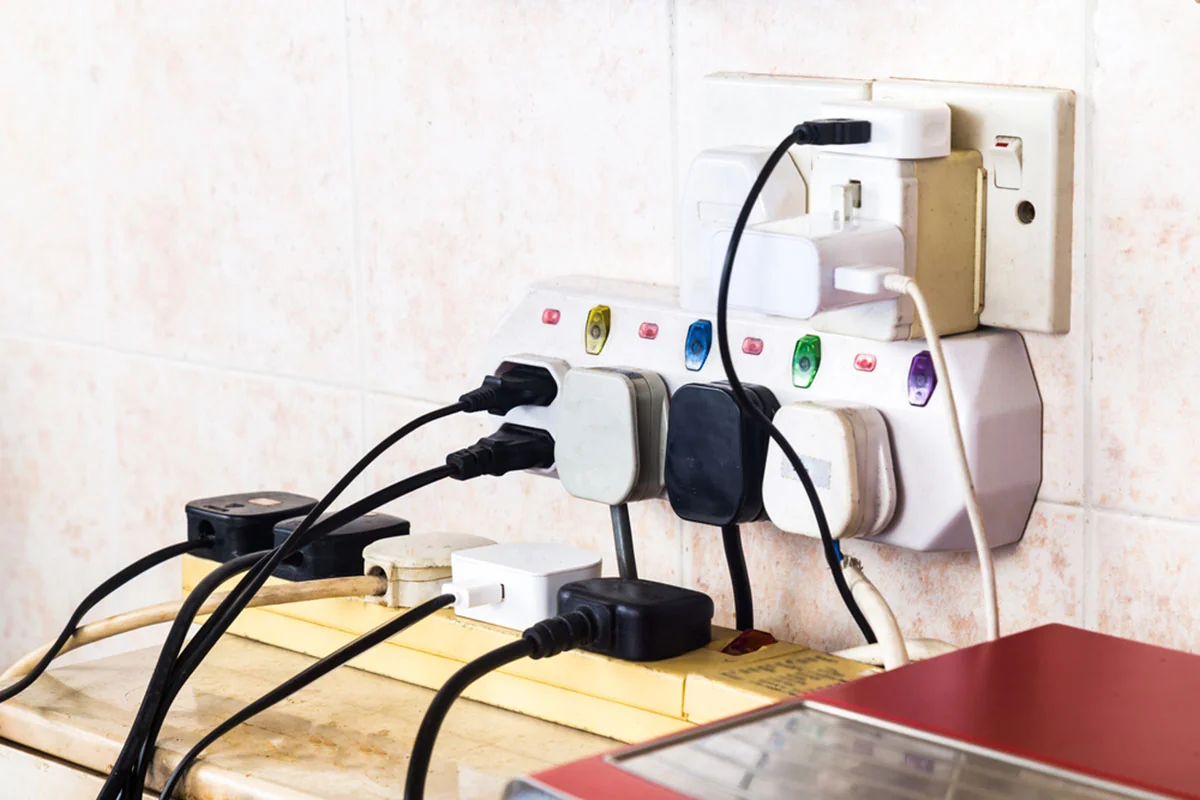
Older Norman homes typically have far fewer circuits than modern construction. When you plug in more devices than a circuit can handle, you’re playing with fire.
Danger signs:
- Circuit breakers that trip regularly
- You can’t run the microwave and coffee maker at the same time
- Outlets feel warm when you touch them
- You smell burning near electrical outlets
Common mistake: Adding more power strips doesn’t solve the problem. You’re still drawing too much power through the same overloaded circuit. The only real solution is to add more circuits or upgrade your electrical system.
Ungrounded Outlets: Missing a Critical Safety Feature
See those old two-hole outlets instead of the modern three-prong version? Those lack a ground connection, which is a vital safety feature.
The third hole provides a safe path for electricity if something malfunctions. Without it, you risk electric shock, and your sensitive electronics are vulnerable to damage.
Important note: Don’t just swap two-prong outlets for three-prong ones. Unless the wiring behind the wall includes a ground wire, you’re creating a false sense of security. A qualified electrician can determine if your wiring is properly grounded.
Amateur Electrical Work: A Recipe for Disaster
We see it all the time in older Norman homes, well-meaning but dangerous DIY electrical work from previous owners.
Common amateur mistakes include:
- Using the wrong size wires
- Poor wire connections that come loose
- Missing junction boxes
- Connecting wires with electrical tape instead of proper connectors
- Adding too many outlets to a single circuit
Here’s the thing: you can’t see most electrical mistakes until something goes wrong. And when electrical work fails, it fails catastrophically. Don’t risk your family’s safety by attempting electrical repairs yourself or living with someone else’s mistakes.
Dangerous Electrical Panels
Your electrical panel is like the brain of your home’s electrical system. When it’s faulty, everything is at risk.
Panels that are known fire hazards:
- Federal Pacific Electric (FPE): These panels have circuit breakers that often fail to trip during overloads
- Zinsco panels: similar problems with unreliable circuit breakers
- Any panel showing rust, corrosion, or physical damage
- Panels that feel warm or hot to the touch
If your panel is more than 25 years old, it’s worth having a professional evaluation. Better safe than sorry.
Frayed and Damaged Cords
Walk around your home and look at electrical cords. What do you see?
Red flags include:
- Cracked or worn insulation
- Visible copper wire showing through
- Extension cords are being used as permanent wiring
- Cords running under carpets or rugs
- Cords pinched by furniture
Damaged cords expose live wires that can spark and ignite nearby materials. Replace damaged cords immediately because they’re not worth the risk.
Malfunctioning Outlets and Switches
Your outlets and switches give you clues if you pay attention.
Watch for these issues:
- Outlets that don’t grip plugs tightly anymore
- Switches that feel loose or make buzzing noises
- Visible sparks when plugging things in
- Scorch marks around outlets or switches
- Any outlet or switch that feels hot
These symptoms indicate loose connections inside, which generate dangerous heat.
Missing GFCI Protection
GFCI (Ground Fault Circuit Interrupter) outlets are required in areas where water and electricity might meet. They instantly shut off power when they detect a dangerous condition.
Where you need GFCI protection:
- All bathroom outlets
- Kitchen countertop outlets
- Outdoor outlets
- Garage outlets
- Basement areas
- Anywhere near sinks or water sources
Older Norman homes often lack GFCI protection. Adding it is inexpensive and could save your life.
What You Should Do Right Now
Found some of these hazards in your home? Here’s your action plan:
Schedule a professional inspection: Don’t guess about electrical safety. Have a licensed electrician thoroughly inspect your home. Tri-L Electric can identify hazards and provide solutions tailored to your specific situation.
Address urgent issues first: Some problems need immediate attention. Your electrician will prioritize the most dangerous items.
Create a plan for upgrades: Not everything needs to happen at once, but set a timeline to bring your home up to modern safety standards.
Never attempt DIY electrical fixes: Electricity doesn’t forgive mistakes. Leave this work to trained professionals with proper tools and knowledge.
Norman’s Climate and Your Electrical System
Oklahoma’s weather adds extra stress to electrical systems. Hot summers push air conditioners and cooling systems to their limits. Severe thunderstorms can cause power surges that damage weakened electrical components. These climate factors make it even more important to maintain a safe, modern electrical system.
The Real Cost of Waiting
“The house has been fine for 40 years” isn’t a safety strategy. Here’s what’s at stake:
Your family’s safety: Electrical fires can destroy homes and injure or kill people. No amount of money is worth that risk.
Insurance complications: Many insurers won’t cover homes with known hazards like knob and tube wiring or faulty electrical panels.
Home sale problems: When you decide to sell, electrical issues will surface during inspection. Buyers will demand fixes or walk away entirely.
Equipment damage: Unreliable electrical systems can damage expensive appliances, computers, and electronics.
The Bottom Line
Your older Norman home might be full of charm and memories, but it could also be hiding dangerous electrical hazards. You don’t need to be an expert to recognize warning signs; just pay attention to flickering lights, warm outlets, frequent breaker trips, and burning smells.
Getting a thorough electrical inspection from professionals like Tri-L Electric is an investment in safety and peace of mind. Your beautiful older home deserves a safe, reliable electrical system that can handle modern life.
Don’t wait for an emergency to take action. Electrical problems only get worse with time, never better. Protect your home, your family, and everything you’ve worked for by addressing electrical hazards today.