
Electrical fires represent one of the most devastating hazards homeowners face, causing thousands of residential fires annually. Unlike other fire sources, electrical fires often start hidden within walls, outlets, or appliances, smoldering undetected until flames erupt. Understanding how electrical fires begin and implementing preventive measures protects your family and property. Most electrical fires are entirely preventable through awareness, proper maintenance, and safe practices.
Understanding How Electrical Fires Start
Electrical fires ignite when excessive heat builds up in wiring, connections, or devices. This occurs through overloaded circuits, damaged insulation, loose connections, and faulty equipment. When electrical current flows through conductors, resistance naturally generates some heat. However, when current exceeds safe levels or connections deteriorate, heat production escalates beyond what materials can safely dissipate.
Overloaded circuits force wiring to carry more amperage than designed, heating conductors beyond their thermal limits. This sustained overheating degrades insulation, eventually causing a breakdown that allows current to arc or short-circuit. Damaged wire insulation exposes bare conductors that can contact other wires, metal surfaces, or flammable materials, creating sparking or direct shorts that instantly generate intense heat.
Common Causes of Residential Electrical Fires
Faulty or outdated wiring tops the list of electrical fire causes. Homes built before 1970 often contain aluminum wiring or outdated systems insufficient for modern electrical loads. These older systems lack the capacity and safety features found in contemporary electrical installations.
Overloaded outlets and circuits account for numerous electrical fires each year. Plugging too many devices into a single outlet, especially high-wattage appliances, forces circuits beyond their designed capacity. The resulting heat buildup in wiring and connections eventually ignites surrounding materials.
Damaged or frayed electrical cords create direct fire hazards through exposed conductors. Cords running under rugs, across doorways, or in high-traffic areas suffer crushing and abrasion that compromises insulation. Pets chewing cords also create dangerous exposure to live wires capable of sparking fires.
Light fixtures with bulbs exceeding recommended wattage generate excessive heat that can ignite fixture components or nearby materials. Space heaters cause thousands of fires annually, particularly when placed too close to combustible materials like curtains, bedding, or furniture.
Warning Signs Your Home Has Electrical Fire Risks
Recognizing warning signs allows you to address electrical hazards before fires occur. Frequently tripping circuit breakers indicate circuits regularly exceed their safe capacity. While breakers protect against immediate overloads, repeated tripping signals underlying problems requiring professional attention.
Flickering or dimming lights when appliances operate suggest voltage fluctuations from inadequate wiring or poor connections. Discolored or warm outlet covers reveal overheating occurring behind walls. Outlets should remain cool to the touch during regular operation.
Buzzing sounds from outlets, switches, or electrical panels signal arcing or loose connections. Electrical current should flow silently; any audible buzzing, crackling, or sizzling sounds indicate abnormal conditions that can rapidly escalate into fire situations.
Burning smells near outlets, switches, or appliances demand immediate investigation. This distinct odor often indicates overheated insulation or components, representing advanced warning of impending fire. Never ignore burning electrical smells.
Safe Appliance Usage Practices
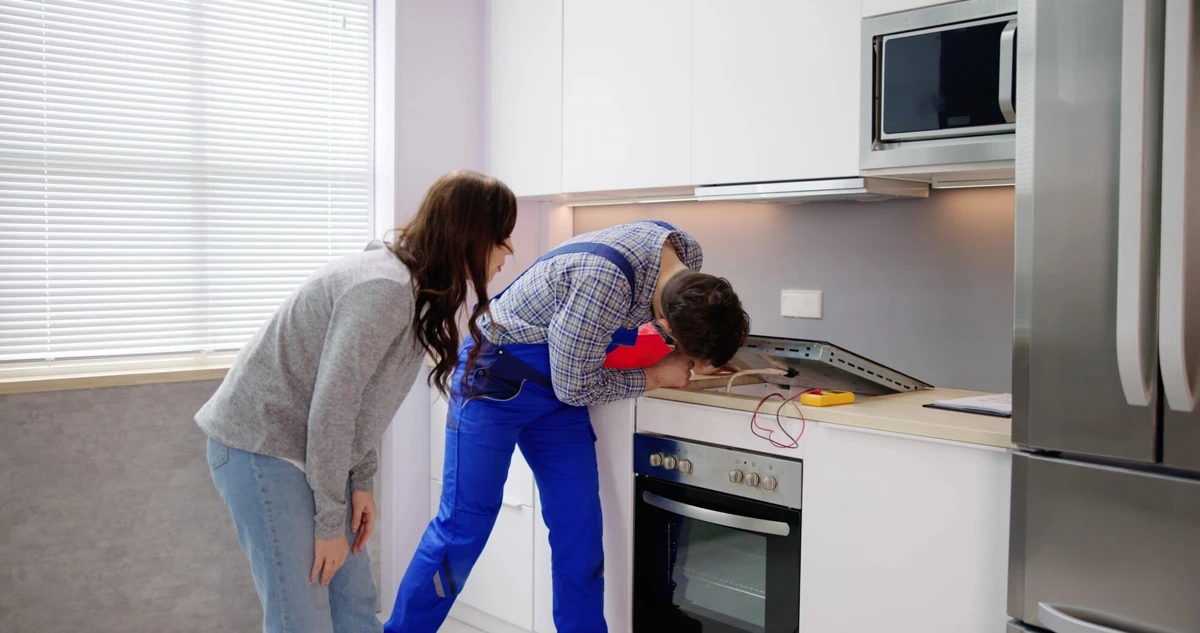
Major appliances like refrigerators, washing machines, dryers, and dishwashers should connect directly to dedicated outlets rather than extension cords or power strips. These appliances draw substantial continuous current that extension cords aren’t designed to carry safely.
Unplug small appliances when not in use, particularly heat-generating devices like toasters, coffee makers, hair dryers, and curling irons. Regularly inspect appliance cords for damage, including fraying, cracking, or exposed wires. Replace damaged cords immediately rather than attempting repairs.
Never run appliance cords under rugs, carpets, or furniture where damage occurs unnoticed. Keep cords visible and accessible for regular inspection. Clean lint from dryer vents and filters after every load, as lint accumulation causes thousands of fires annually.
Proper Extension Cord and Power Strip Usage
Extension cords provide temporary power access, not permanent wiring solutions—match extension cord ratings to their intended use. Light-duty cords work fine for lamps, but can’t safely power space heaters or power tools.
Never daisy-chain multiple extension cords or power strips together. This practice exceeds safe capacity limits while creating numerous connection points where heat can build dangerously. Inspect extension cords before each use, checking for cuts, fraying, or damaged plugs.
Power strips with built-in circuit breakers offer some overload protection, but they’re not substitutes for proper circuit capacity. Avoid plugging multiple high-wattage devices into a single power strip. Never use indoor extension cords outdoors; outdoor cords feature weather-resistant insulation protecting against moisture intrusion.
Outlet and Switch Safety
Outlets and switches should fit snugly in electrical boxes with cover plates secured firmly. Replace any outlets or switches that feel warm during operation. Warmth indicates overheating from loose connections, damaged components, or excessive current draw.
GFCI outlets provide critical protection in bathrooms, kitchens, garages, and outdoor locations where moisture creates shock and fire hazards. Test GFCI outlets monthly using their built-in test buttons. If testing doesn’t trip the outlet or you can’t reset it, replace the GFCI outlet immediately.
Arc fault circuit interrupter (AFCI) breakers detect dangerous arcing conditions in circuits and shut off power before fires start. Modern electrical codes require AFCI protection in bedrooms and many other areas.
Lighting Safety Guidelines
Always use light bulbs with wattages at or below fixture ratings. Exceeding recommended wattage generates excessive heat that can melt fixture components or ignite nearby materials. LED bulbs generate significantly less heat than incandescent bulbs while using less electricity.
Keep flammable materials away from all light fixtures. Curtains, bedding, papers, and decorations should maintain safe clearance from bulbs and fixtures. Replace any light fixtures showing signs of overheating, including discolored or melted components.
Professional Electrical Safety Services
While homeowners can implement many fire prevention measures, professional electricians provide services beyond DIY capabilities. Comprehensive electrical safety inspections identify hidden hazards in wiring, panels, and connections.
Tri-L Electric offers thorough electrical safety evaluations, identifying fire risks throughout Oklahoma homes. Our licensed technicians assess wiring integrity, panel capacity, outlet conditions, and overall system safety, providing detailed reports with prioritized recommendations.
Electrical system upgrades bring older homes to current safety standards. Replacing outdated wiring, upgrading panels, installing AFCI and GFCI protection, and adding circuits for modern loads dramatically reduces fire risks while improving electrical system reliability.
Conclusion
Preventing electrical fires requires ongoing awareness rather than one-time efforts. Make electrical safety part of regular home maintenance routines. By understanding common fire causes, recognizing warning signs, following safe practices, and addressing problems promptly, you can significantly reduce fire risks in your home.
Don’t wait for warning signs to escalate into emergencies. If you notice any electrical problems, including frequently tripping breakers, warm outlets, flickering lights, or unusual sounds, contact licensed electricians immediately.
Contact Tri-L Electric at (405) 887-6141 to schedule your electrical safety inspection or address any electrical concerns. Protecting your home from electrical fires starts with a professional evaluation and expert service you can trust.