
Smart home technology has transformed from futuristic novelty to practical necessity for homeowners seeking enhanced convenience, security, energy efficiency, and comfort. As Norman residents embrace connected living, understanding which electrical upgrades enable smart home functionality becomes essential for maximizing technology benefits while ensuring safe, reliable operation. Modern smart home systems require proper electrical infrastructure including adequate circuits, reliable wiring, and sometimes panel upgrades to support increased electrical demands from connected devices.
Understanding Smart Home Electrical Requirements
Smart home devices range from simple plug-in products to complex integrated systems requiring professional installation and dedicated circuits. Understanding electrical requirements helps you plan upgrades supporting your desired automation level while avoiding overloaded circuits or inadequate power delivery. Basic smart devices including voice assistants, smart bulbs, and plug-in sensors typically work with existing electrical infrastructure. These entry-level products offer accessible smart home experiences without electrical modifications.
Intermediate systems including smart thermostats, video doorbells, and security cameras may require new wiring, additional circuits, or low-voltage installations. Professional electricians ensure proper installation meeting manufacturer specifications and electrical codes. Advanced whole-home automation integrating lighting control, climate management, and security systems requires comprehensive electrical planning. These installations often need control panels, dedicated circuits, and sometimes electrical panel upgrades providing sufficient capacity for expanded loads.
What electrical upgrades are needed for a smart home?
Smart home electrical upgrades typically include installing dedicated circuits for major smart appliances, adding outlets in strategic locations for hubs and devices, upgrading to smart-compatible switches requiring neutral wires, ensuring adequate electrical panel capacity, and installing whole-home surge protection. Older homes may need complete rewiring to support comprehensive smart home integration safely and reliably.
Smart Lighting Control Systems
Intelligent lighting represents one of the most popular smart home upgrades, offering convenience, energy savings, and enhanced ambiance through automated and remote-controlled illumination throughout your home. Smart switches replace traditional light switches, enabling control via smartphone apps, voice commands, or automated schedules without replacing existing fixtures. These switches require neutral wires at switch locations, which older Norman homes may lack.
Smart bulbs screw into existing fixtures, providing color-changing capabilities, dimming functions, and individual control without rewiring switches. However, traditional wall switches must remain on for smart bulbs to receive power and respond to digital commands. Whole-home lighting control systems integrate all lighting onto centralized platforms enabling scene creation, occupancy sensing, and coordinated control across multiple rooms. These sophisticated systems require low-voltage control wiring and dedicated circuits for control panels.
Can old houses support smart home technology?
Yes, older homes can support smart home technology, though they often require home electrical upgrades first. Common modifications include adding neutral wires to switch boxes for smart switches, installing additional outlets for hubs and devices, upgrading electrical panels to provide adequate capacity, and adding dedicated circuits for high-draw smart appliances. While these upgrades involve investment, they make comprehensive smart home integration possible while improving overall electrical safety.
Smart Climate Control and Energy Management
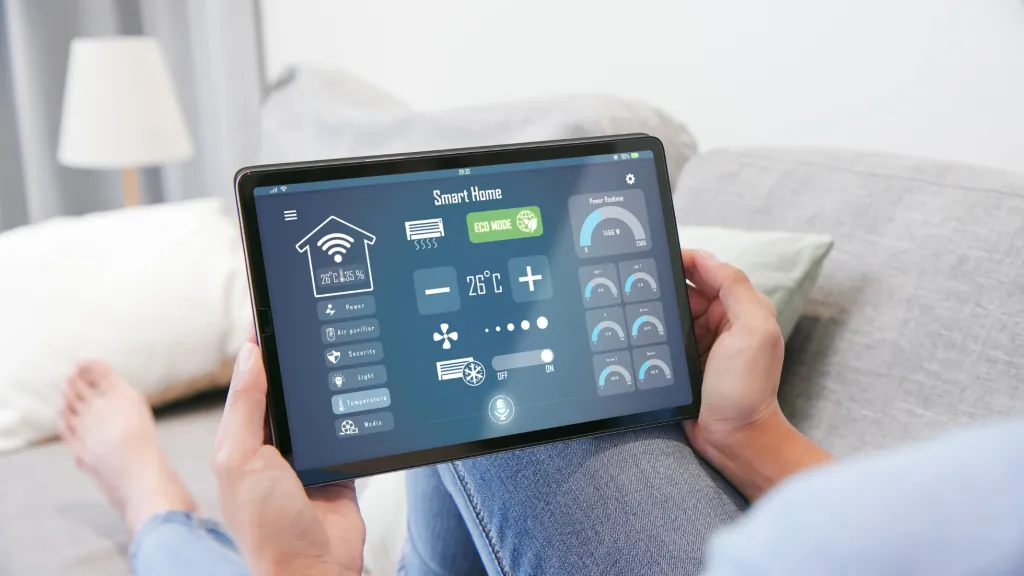
Heating and cooling represent significant portions of home energy consumption. Smart thermostats optimize comfort while reducing utility costs through intelligent temperature management, occupancy sensing, and learning algorithms that adapt to household patterns. Smart thermostat installation typically requires C-wire connections providing continuous power for WiFi connectivity and advanced features. Many older heating systems lack C-wires at thermostat locations. Electricians can run new wiring from HVAC equipment or install power adapter kits enabling smart thermostat operation without C-wires.
Energy monitoring systems track whole-home electricity consumption, identifying energy-wasting appliances and patterns. These systems install at electrical panels, requiring professional installation to ensure safe connection to service equipment. Real-time consumption data helps homeowners make informed decisions about energy usage. Zoned climate control divides homes into separate temperature zones with independent thermostats. This advanced approach maximizes comfort and efficiency by heating or cooling only occupied areas, requiring additional control wiring and coordination with HVAC equipment.
Do smart homes use more electricity?
Smart homes can actually use less electricity overall despite having more devices. While smart hubs, cameras, and sensors draw standby power, the energy savings from smart thermostats, automated lighting, and intelligent appliance scheduling typically exceed the power consumed by control systems. Smart energy monitoring helps identify waste, and automated systems eliminate forgotten lights or inappropriate climate settings.
Security and Safety System Integration
Smart security systems provide comprehensive property protection through connected cameras, sensors, alarms, and automated responses to detected threats. Proper electrical infrastructure ensures reliable operation when security matters most. Video doorbell installation requires doorbell transformer capacity sufficient for video streaming and motion detection features. Many older transformers provide only 10 to 16 volt-amps, while smart doorbells often need 16 to 24 volt-amps.
Security cameras positioned around property perimeters need power and network connectivity. Wired cameras provide the most reliable operation but require running electrical circuits and network cables to mounting locations. Power-over-Ethernet systems deliver both power and data over single cables, simplifying installations. Smart locks on entry doors enhance security through remote access control, temporary codes for guests, and automatic locking schedules. Most smart locks operate on batteries, though integrating them with whole-home automation systems may require additional wiring for control interfaces.
What is required for a smart home setup?
A smart home setup requires reliable WiFi network coverage, adequate electrical capacity to power devices, compatible wiring (especially neutral wires for smart switches), central hub or control system depending on chosen ecosystem, smartphone or tablet for control and monitoring, and proper electrical grounding. Some systems also need dedicated circuits, low-voltage wiring for sensors, and backup power to maintain operation during outages.
Network Infrastructure and Connectivity
Reliable network connectivity forms the foundation for smart home systems. Connected devices communicate through WiFi, Ethernet, or specialized protocols requiring robust network infrastructure throughout homes. WiFi coverage throughout homes enables wireless device connectivity. Large homes or those with challenging layouts may need multiple access points creating mesh networks ensuring consistent coverage. Electricians can install outlets in optimal locations for access point placement.
Central equipment locations house network routers, switches, automation hubs, and security panels. These locations need adequate electrical outlets, proper ventilation, and sometimes dedicated circuits depending on equipment power requirements. Backup power systems including uninterruptible power supplies maintain network and security system operation during power outages. Critical systems stay online during outages, ensuring security monitoring continues and maintaining access to smart locks.
Professional Installation Considerations
Smart home electrical upgrades benefit significantly from professional installation ensuring safety, code compliance, and optimal system performance. Experienced electricians understand integration requirements and installation best practices. Tri-L Electric provides comprehensive smart home electrical services for homeowners throughout Norman and surrounding Oklahoma communities. Our licensed technicians design and install electrical infrastructure supporting automation systems from basic smart lighting to sophisticated whole-home integration.
Code compliance ensures installations meet safety standards protecting your home and family. Licensed electricians understand current electrical codes and obtain necessary permits for work requiring inspection approval.
System integration requires coordinating multiple technologies and manufacturers’ products. Experienced installers recommend compatible components and ensure systems communicate properly, avoiding frustration from incompatible devices.
Conclusion
Smart home electrical upgrades transform houses into connected, efficient, and secure living spaces offering unprecedented convenience and control. From intelligent lighting and climate management to comprehensive security systems, modern technology enhances daily life while potentially reducing energy consumption. Successful smart home integration requires proper electrical infrastructure supporting connected devices reliably and safely. While some smart products work with existing wiring, comprehensive automation often benefits from professional electrical upgrades including additional circuits and improved capacity.
Contact Tri-L Electric at (405) 887-6141 to discuss your smart home vision. Our experienced team evaluates your current electrical system and provides professional installation ensuring your connected home operates flawlessly for years to come.