
Winter in Oklahoma brings unpredictable weather, from ice storms to sudden temperature drops, putting significant strain on home electrical systems. As homeowners increase heating usage, add holiday decorations, and spend more time indoors using various appliances, understanding electrical safety becomes crucial for protecting your family and property.
Understanding Winter Electrical Demands
Oklahoma’s variable winter weather creates unique challenges for residential electrical systems. Cold snaps encourage heavy use of supplemental heating, while extended indoor time increases overall electrical consumption. When multiple high-wattage devices run simultaneously (electric heaters, clothes dryers, kitchen appliances, and holiday lights), you’re asking your system to deliver more power than it may safely handle.
Many homeowners don’t realize their electrical panel has a finite capacity. Older homes often feature outdated panels with insufficient amperage for modern lifestyles. If your home still has a 60 or 100 amp service panel, upgrading to 200 amps provides the headroom needed for contemporary electrical demands while improving safety margins.
Recognizing Warning Signs of Electrical Overload
Your home’s electrical system communicates when it’s struggling. Frequently tripped circuit breakers indicate that specific circuits exceed their designed capacity. If you’re constantly resetting breakers during the winter months, your system needs professional evaluation.
Dimming or flickering lights when appliances cycle on suggest voltage drops caused by excessive electrical draw. Warm or discolored outlet covers, buzzing sounds from switches or outlets, or burning smells near electrical components are urgent warning signs requiring immediate attention from qualified electricians.
Safe Space Heater Practices
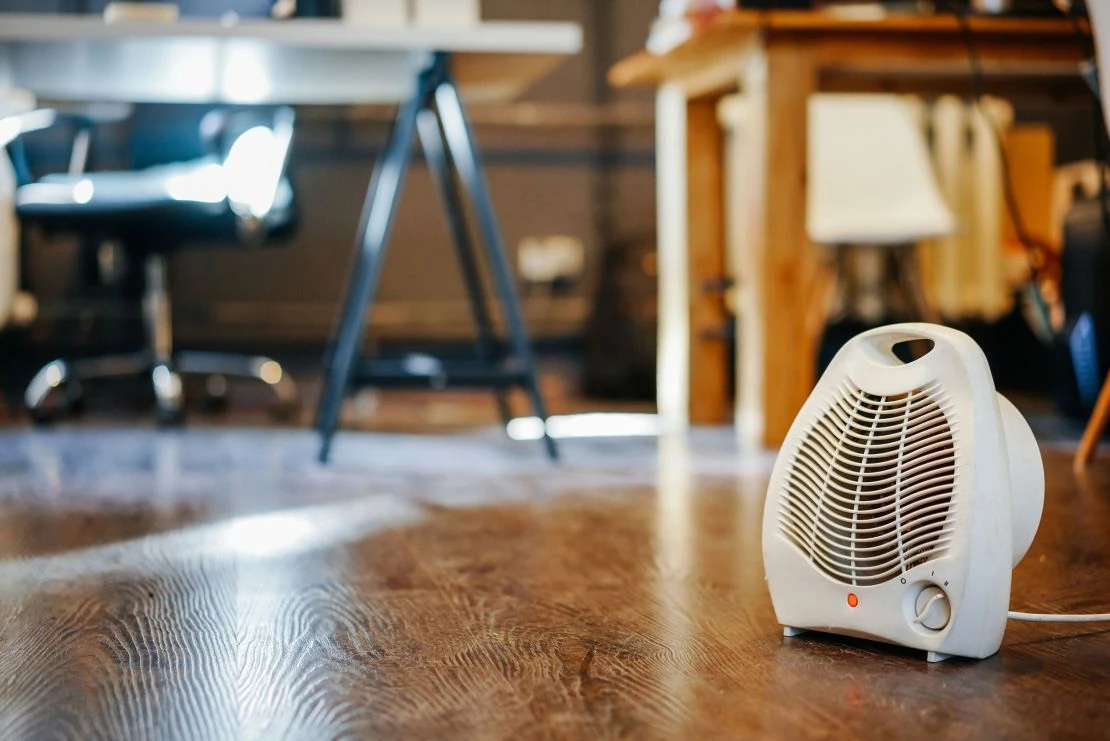
Space heaters rank among the most common culprits behind winter electrical problems. These portable units draw substantial current, typically 1,500 watts for standard models, equaling the combined consumption of multiple other household devices.
Always plug space heaters directly into wall outlets, never into extension cords or power strips. These connections aren’t rated for the sustained high current draw that heaters require, creating fire risks from overheated wiring. Choose heaters with built-in safety features like automatic tip-over shutoffs and overheat protection.
Position heaters on flat, stable surfaces away from foot traffic, curtains, furniture, and bedding. Maintain at least three feet of clearance around all sides. Never leave space heaters running unattended or while sleeping, regardless of their safety features.
Distribute heater usage across different circuits rather than running multiple units on the same circuit. If you’re unsure which outlets share circuits, a licensed electrician can map your home’s electrical layout and recommend optimal placement for supplemental heating devices.
Holiday Lighting Safety Guidelines
Holiday decorations bring cheer to Oklahoma’s winter months, but improper installation creates serious hazards. LED light strings consume significantly less power than traditional incandescent bulbs while generating minimal heat, making them safer for extended display periods.
Inspect all light strings before installation, discarding any with frayed wiring, broken sockets, or damaged insulation. Check manufacturer specifications for maximum connections; most light strings safely link only three to five sets end to end before exceeding circuit capacity.
Outdoor decorations require lights and extension cords rated for exterior use, featuring proper weather-resistant insulation. Use ground fault circuit interrupter (GFCI) outlets for all outdoor electrical connections, providing critical protection against shock hazards in wet conditions common during Oklahoma winters.
Consider using timers for decorative lighting, automatically controlling when lights illuminate without manual intervention. This prevents lights from running unnecessarily during daylight hours while ensuring displays don’t stay energized overnight.
Electrical Panel Maintenance and Upgrades
Your electrical panel serves as your home’s power distribution center, making its proper function essential for safety. Schedule professional panel inspections every few years, particularly if you live in an older home or have recently added significant electrical loads.
Modern electrical codes require arc fault circuit interrupters (AFCIs) and ground fault circuit interrupters (GFCIs) in specific locations throughout homes. These safety devices detect dangerous conditions and interrupt power before fires or shocks occur. Older panels lacking these protections benefit substantially from upgrades incorporating current safety technology.
Panel upgrades become necessary when your home’s electrical demands outgrow existing capacity. Signs include frequent tripped breakers, inability to run multiple appliances simultaneously, or plans for significant additions like electric vehicle charging stations. Professional electricians assess your current usage and recommend appropriate panel sizes, ensuring adequate capacity with safety margins.
Generator Safety for Winter Power Outages
Oklahoma winter storms occasionally cause power outages lasting hours or days. Portable generators provide emergency power but require careful handling to prevent carbon monoxide poisoning, electrocution, or equipment damage.
Never operate generators indoors, in garages, or near windows where exhaust could enter your home. Carbon monoxide (an odorless, colorless, deadly gas) accumulates rapidly in enclosed spaces. Position generators outdoors with exhaust directed away from buildings, maintaining at least 20 feet of clearance from windows and doors.
Connect essential appliances directly to generators using heavy-duty extension cords rated for outdoor use. Never backfeed your electrical panel by plugging generators into household outlets; this hazardous practice can electrocute utility workers and damage your electrical system. Professional transfer switch installation enables safe whole-house generator connection.
When to Call Professional Electricians
Some electrical work requires professional expertise and licensing. Circuit additions, panel upgrades, and permanent fixture installations fall under this category; attempting these as DIY projects risks serious injury, code violations, and insurance complications.
Contact licensed electricians for persistent electrical issues, including frequently tripped breakers, flickering lights, buzzing sounds, or burning odors. These symptoms indicate underlying problems requiring professional diagnosis and repair.
Tri-L Electric serves Oklahoma homeowners with comprehensive electrical services from routine maintenance to complete panel upgrades. Our licensed technicians understand the unique electrical challenges homes face during the winter months and provide solutions ensuring your family’s safety throughout the season.
Conclusion
Winter electrical safety requires awareness, preparation, and professional support when needed. By understanding your home’s electrical limitations, recognizing warning signs of overloads, and following safe practices for heating and lighting usage, you protect your home and family throughout the season. Don’t wait for electrical problems to escalate into emergencies. If you’re experiencing frequent breaker trips, planning electrical upgrades, or want peace of mind knowing your system can handle winter demands, a professional electrical inspection provides valuable assurance.
Contact Tri-L Electric at (405) 887-6141 to schedule your electrical safety inspection or discuss upgrades ensuring your home’s electrical system meets your family’s winter needs safely and reliably.